

The fishing industry has evolved far beyond simple hooks and hand-carved plugs. Today, anglers expect reliable action, realistic finishes, durable materials, and smart design that works in specific waters. Behind every great product is a structured production process—one that blends engineering, material science, and real-world testing. If you’re exploring private label tackle, launching a brand, or simply learning how quality gear is built, understanding fishing bait manufacture and fishing lure manufacture is a major advantage.
This guide breaks down how baits and lures are produced, what makes them perform, and how brands can customize fishing lures while working with experienced fishing lure makres.
The foundation of fishing bait manufacture
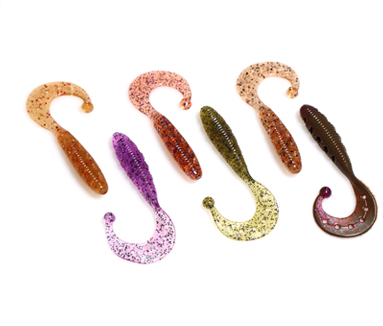
In commercial tackle, “bait” often refers to soft plastics and scent-based products. Soft baits are popular because they are cost-effective, scalable, and easy to modify for different markets. In professional fishing bait manufacture, the most common soft-bait process involves heating and blending raw materials, then forming baits using molds.
Typical soft bait ingredients include:
- Plastisol base (or alternative polymers in some regions)
- Pigments and glitter
- Salt (to change sink rate and feel)
- Scent oils and attractants
- Floating additives (for buoyant presentations)
Production usually follows a clear workflow: material mixing → heating → injection or hand-pour molding → cooling → demolding → trimming → curing → packaging.
The “feel” and action anglers love are not accidental. Manufacturers fine-tune the formula for softness (more movement) versus durability (more reusability). Even the curing time and storage method matter, especially for scent retention and long-term texture.
Quality indicators in fishing bait manufacture:
- Consistent color across batches
- No air bubbles or weak spots
- Stable softness (not overly oily or brittle)
- Scent that lasts, not just smells strong out of the bag
What separates fishing lure manufacture from basic production
Hard lures are mechanical products in miniature. A crankbait that tracks straight, dives to the right depth, and holds its finish after repeated strikes requires precision—especially when production scales from prototypes to thousands of units. That’s why fishing lure manufacture typically includes both engineering and assembly-line consistency.
Depending on the category, materials vary:
- Hard plastic resins for crankbaits and jerkbaits
- Wood for certain premium or traditional designs
- Metal stamping for spoons and blades
- Lead or tungsten molding for jigs and weighted heads
- Stainless wire frames for spinnerbaits and buzzbaits
Most modern hard-bait production includes these steps:
- Design and testing
Engineers or lure designers define the target depth, action type, and casting behavior. Prototypes are tested in tanks and on open water to verify wobble, roll, stability, and hook placement. - Mold and tooling creation
Injection molds and stamping dies determine the lure’s final shape and repeatability. Tooling quality directly impacts seam lines, durability, and how “clean” the finished lure looks. - Weighting and internal components
Ballast weights and rattle chambers are installed to tune casting distance, diving angle, and sound profile. This stage can make a lure legendary—or ruin it if tolerances drift. - Finishing and clear coating
Paint patterns can be purely decorative, but in pressured fisheries, realism matters. Multi-layer coatings improve durability and keep finishes from chipping after contact with rocks, docks, and teeth. - Hardware installation and inspection
Hooks, split rings, and swivels must be aligned and strong. Many reputable plants do pull tests, check hook hangers, and run sample swim tests to ensure consistency.
How to customize fishing lures without wasting money
A common mistake is customizing only the look. Yes, colors sell—but performance earns repeat purchases. The smartest way to customize fishing lures is to combine market appeal with measurable function.
High-impact performance customization:
- Depth changes: modify lips, weight, or buoyancy to hit specific water layers
- Action tuning: adjust body profile or ballast for tighter wobble vs. wide wobble
- Silent vs. rattling versions: match fishing pressure and water clarity
- Hook upgrades: heavier wire for big fish, corrosion resistance for saltwater
Visual customization that actually helps:
- Forage-matching patterns for regional species
- UV or glow accents for low light/deep water
- Matte finishes for clear water and pressured fish
- Scale textures and foil inserts for flash
Brand-level customization:
- Custom packaging and inserts (rigging tips, species targeting)
- Molded-in logos or brand marks
- Barcode/QR systems for authenticity and tutorials
The best strategy: pick a core lure style, then create a small family of variations—two actions, two sound profiles, and a handful of proven colors. It’s easier to manage inventory and easier for customers to understand.
Working with fishing lure makres: the practical checklist
Not all fishing lure makres are equal. Some excel at painting but struggle with tuning. Others can mass-produce but can’t maintain consistent hardware quality. Before you place a large order, evaluate suppliers like a product partner—not just a vendor.
Questions to ask fishing lure makres:
- Can you provide samples from multiple batches (not just one perfect sample)?
- What are your quality control steps—swim tests, hardware pull tests, coating checks?
- Can you modify internal weights and lips, or only provide cosmetic changes?
- What hook and split ring standards are included, and what upgrades are available?
- What is the lead time for repeat orders, not just the first run?
One of the strongest signals of reliability is documentation. Good manufacturers confirm specs in writing, share tolerances, and keep production notes so the “next batch” matches the “best batch.”
Final thoughts: great tackle starts long before it hits the water
From fishing bait manufacture to precision fishing lure manufacture, quality is built through repeatable formulas, controlled tooling, and disciplined inspection. If you plan to customize fishing lures, focus first on performance features anglers can feel—action, depth, casting, and durability—then layer on visuals and branding to stand out on the shelf.
And when choosing fishing lure makres, invest time in sampling, testing, and confirming production standards. In fishing, confidence is everything—and the products that create confidence are the ones that are made right.
