

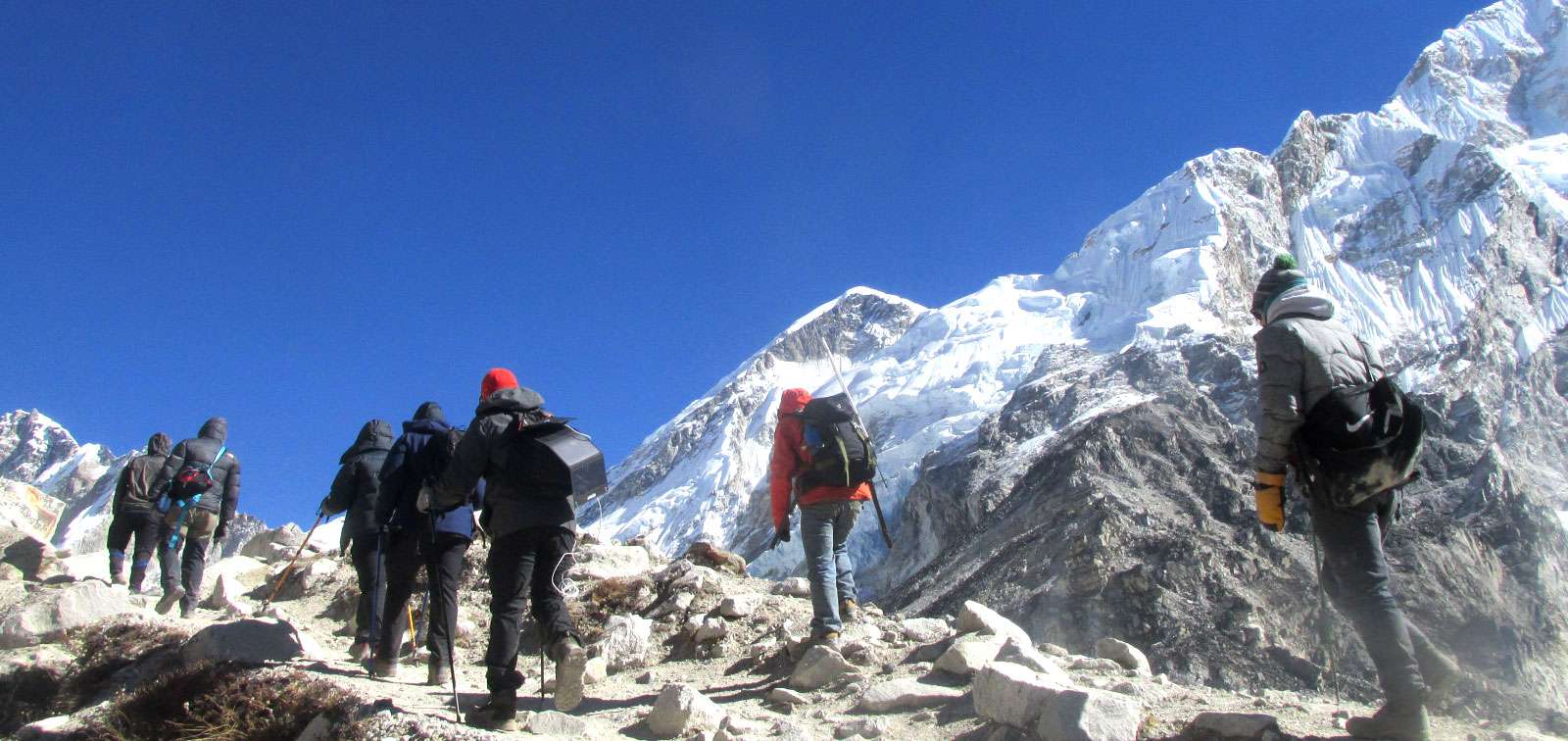
The Everest Himalayas stand as the ultimate dream destination for adventurers, trekkers, and nature enthusiasts worldwide. Towering peaks, vibrant Sherpa culture, and breathtaking landscapes make this region an iconic symbol of natural beauty and human determination. Among the many trekking routes in Nepal, the Everest Base Camp (EBC) Trek is the most celebrated. This adventure is not just a journey to the base of the world’s highest peak, Mount Everest, but also an exploration of the heart of the Everest Himalayas. In this comprehensive guide, we’ll dive into everything you need to know about the Everest Base Camp Trek, including detailed insights into Everest Base Camp Trek cost
Why the Everest Himalayas Are a Trekkers’ Paradise
The Everest Himalayas are home to the world’s highest mountains, glacial valleys, and ancient Buddhist monasteries. Trekking in this region offers an unparalleled opportunity to experience the majesty of snow-capped peaks like Lhotse, Nuptse, and Ama Dablam. The region’s rich culture, particularly that of the Sherpas, adds a spiritual and cultural dimension to the journey.
Hiking through the Everest Himalayas is not just about the physical challenge; it’s about connecting with nature, experiencing serenity, and witnessing awe-inspiring views. The diverse terrain includes alpine forests, suspension bridges, high-altitude villages, and rugged trails that make the journey both exciting and rewarding.
Everest Base Camp Trek: An Overview
The Everest Base Camp Trek is a bucket-list adventure that takes trekkers through the heart of the Everest Himalayas to the base of Mount Everest. The trek typically starts from Lukla, a small town with the famous Tenzing-Hillary Airport, and passes through picturesque villages such as Namche Bazaar, Tengboche, Dingboche, and Lobuche. Along the way, trekkers experience Sherpa culture, Buddhist monasteries, and stunning panoramic views of the Himalayas.
The trek usually takes 12 to 14 days, depending on the route and acclimatization days. It covers approximately 130 kilometers (round trip) and reaches an altitude of 5,364 meters (17,598 feet) at Everest Base Camp. The journey is physically demanding but highly rewarding, offering some of the most iconic views in the world.
Best Time to Trek in the Everest Himalayas
Timing is crucial for a successful Everest Base Camp Trek. The best seasons to undertake this journey are:
- Spring (March to May): This period offers blooming rhododendrons, moderate weather, and clear skies for mountain views. It’s ideal for photographers and nature lovers.
- Autumn (September to November): After the monsoon, the air is crisp and clear, providing the most stunning views of the Everest Himalayas. The trails are also less slippery and safer.
Winter treks are challenging due to extreme cold, while the monsoon season (June to August) brings heavy rainfall, making trails slippery and less safe.
Detailed Everest Base Camp Trek Itinerary
A typical itinerary for the Everest Base Camp Trek is as follows:
Day 1: Arrival in Kathmandu
Arrive in Nepal’s capital and prepare for your adventure. Trekking permits and arrangements are handled here.
Day 2: Fly to Lukla and Trek to Phakding (2,610 m)
Enjoy a scenic flight over the Everest Himalayas, landing in Lukla. Begin the trek towards Phakding, passing small villages and forests.
Day 3: Phakding to Namche Bazaar (3,440 m)
Cross several suspension bridges and ascend into the Sherpa capital, Namche Bazaar. This vibrant market town is perfect for acclimatization.
Day 4: Acclimatization Day in Namche Bazaar
Hike to Everest View Hotel or Syangboche Airport for panoramic views. This day helps your body adjust to high altitude.
Day 5: Namche Bazaar to Tengboche (3,870 m)
Trek through pine forests and cross the Dudh Koshi River. Visit Tengboche Monastery, one of the most important monasteries in the Everest region.
Day 6: Tengboche to Dingboche (4,410 m)
Trek through rhododendron forests and small villages. The views of Ama Dablam become more prominent.
Day 7: Acclimatization Day in Dingboche
Optional hikes to Nagarjun Hill or Chhukung Valley for acclimatization and stunning views of Lhotse and Island Peak.
Day 8: Dingboche to Lobuche (4,940 m)
Trek through rocky terrain and moraine fields. Reach Lobuche, the last significant settlement before Everest Base Camp.
Day 9: Lobuche to Everest Base Camp (5,364 m) and Return to Gorak Shep (5,170 m)
Hike to the legendary Everest Base Camp, witnessing glaciers and the Khumbu Icefall. Descend to Gorak Shep for overnight stay.
Day 10: Gorak Shep to Kala Patthar (5,545 m) and Back to Pheriche
Ascend Kala Patthar early morning for the best sunrise view of Everest and surrounding peaks. Return to Pheriche for overnight stay.
Day 11-12: Trek Back to Lukla
Retrace your steps through Tengboche, Namche Bazaar, and Phakding, arriving in Lukla.
Day 13: Fly Back to Kathmandu
End of the trek and return to Kathmandu for rest or sightseeing.
Highlights of the Everest Base Camp Trek
- Stunning Mountain Views: Ama Dablam, Lhotse, Nuptse, and Mount Everest dominate the skyline.
- Sherpa Culture: Visit monasteries, interact with local Sherpa communities, and experience traditional hospitality.
- Glaciers and Moraines: Cross Khumbu Glacier and explore high-altitude landscapes.
- Kala Patthar Sunrise: Witness the iconic sunrise view over Mount Everest, one of the most photographed vistas in the world.
Understanding the Everest Base Camp Trek Cost
When planning a trek in the Everest Himalayas budget is an essential consideration. The Everest Base Camp Trek cost varies depending on the type of trek—independent or guided—and the services included.
1. Independent Trek Cost
- Permits: Trekkers need TIMS (Trekkers’ Information Management System) card (~$20–$30) and Sagarmatha National Park permit (~$30).
- Accommodation: Tea houses cost $5–$10 per night for basic rooms.
- Food: Meals cost $5–$15 per day depending on choice.
- Transport: Lukla flight costs around $160–$200 one way.
Estimated Total: $700–$1,000 for 12–14 days, excluding airfare to Nepal.
2. Guided Trek Cost
Hiring a trekking agency or guide ensures safety, convenience, and better logistical support. Costs typically include:
- Guide and porter services: $25–$35 per day.
- Accommodation in tea houses along the trail.
- Meals during the trek.
- Trekking permits and agency fees.
Estimated Total: $1,200–$2,000 per person for 12–14 days, depending on the level of service and inclusions.
3. Luxury or Helicopter Options
For trekkers with limited time or seeking comfort, helicopter return options are available. You can trek to Gorak Shep or Everest Base Camp and then fly back to Lukla or Kathmandu. This significantly increases costs but reduces trekking strain.
- Helicopter Return: $350–$500 per person for the flight from Everest Base Camp or Gorak Shep to Kathmandu.
- Luxury Tea Houses or Lodges: $50–$100 per night.
Tips to Manage Trekking Costs
- Book Flights Early: Lukla flights are expensive and often booked months in advance. Early booking reduces cost.
- Travel in Groups: Sharing guides or porters reduces per-person cost.
- Eat Local: Choose Nepali dal bhat and local dishes; cheaper and authentic.
- Avoid Peak Seasons: Prices are higher in spring and autumn. Trekking slightly off-season can save money.
Physical Preparation for the Trek
The Everest Base Camp Trek is moderate to strenuous. Physical preparation is key to enjoying the Everest Himalayas safely. Recommended preparations include:
- Cardio Training: Running, cycling, or swimming for endurance.
- Hiking Practice: Hike long trails with a backpack to simulate trekking conditions.
- Strength Training: Focus on legs, core, and back muscles.
- Acclimatization Knowledge: Learn to recognize symptoms of altitude sickness and follow a gradual ascent plan.
Safety and Altitude Considerations
Trekking in the Everest Himalayas requires awareness of high-altitude risks:
- Altitude Sickness: Common above 3,000 meters. Stay hydrated, ascend gradually, and rest.
- Weather Changes: Temperatures can drop rapidly; carry appropriate clothing.
- Trail Safety: Suspension bridges and rocky paths can be hazardous; proper footwear is essential.
Hiring a guide or joining a trekking group enhances safety and provides support in emergencies.
Environmental Responsibility
The Everest Himalayas are fragile ecosystems. Trekkers must respect the environment:
- Avoid plastic bottles; use refillable containers.
- Carry out all waste; do not litter trails or tea houses.
- Respect wildlife and cultural sites.
Why Everest Base Camp Trek Is Worth Every Penny
Despite the cost, trekking to Everest Base Camp is a once-in-a-lifetime experience. Walking through the Everest Himalayas allows you to witness some of the most stunning landscapes on Earth, immerse yourself in local culture, and test your limits. Every dollar spent contributes to a journey that is physically challenging, mentally enriching, and spiritually uplifting.
Whether you choose an independent trek, a guided tour, or a luxury helicopter return, the memories, photos, and experiences gained in the Everest Himalayas are priceless. From the bustling market of Namche Bazaar to the quiet majesty of Kala Patthar, this trek captures the essence of adventure and natural wonder.
Conclusion
The Everest Base Camp Trek offers more than just a trek; it’s a transformative journey through the heart of the Everest Himalayas. From awe-inspiring mountain vistas and Sherpa culture to the thrill of reaching Everest Base Camp, this adventure is an unparalleled experience for trekkers. Understanding the Everest Base Camp Trek cost helps in planning a safe, enjoyable, and unforgettable journey.
Whether you are an experienced trekker or a first-time visitor, the Everest Himalayas promise an adventure that blends natural beauty, cultural richness, and personal achievement. With proper preparation, awareness, and budgeting, your trek to Everest Base Camp can become the highlight of your lifetime travel experiences.
