

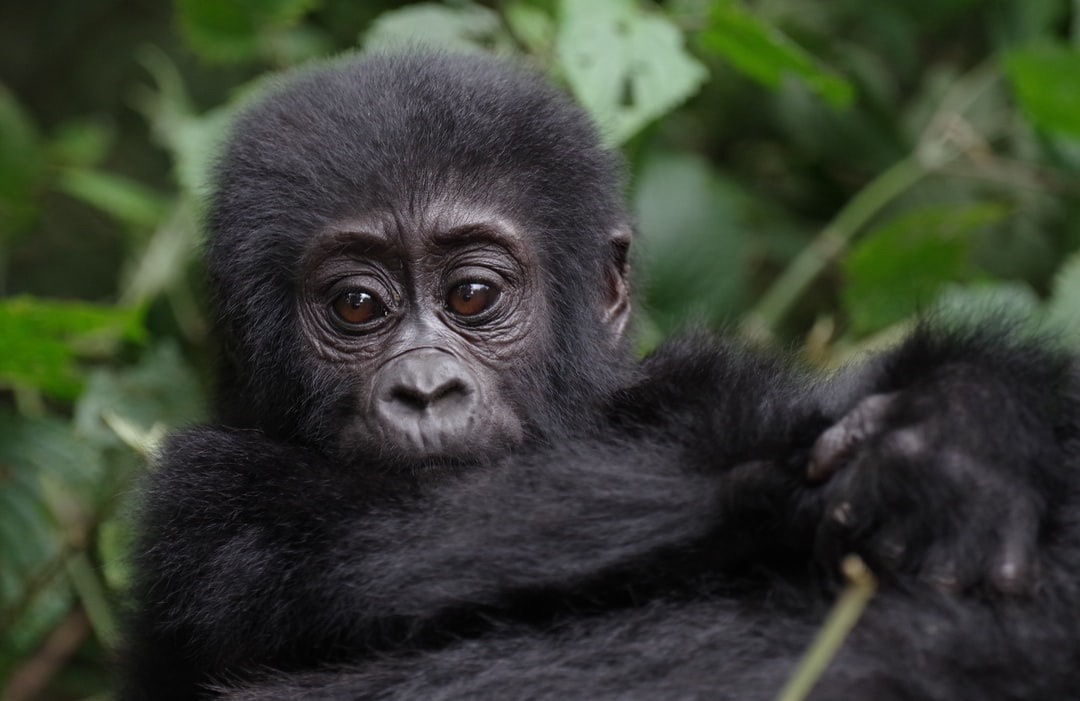
The call of primates in the distance, as the misty rainforest of Uganda echoes, has frequently been used as the beginning of a new path to change the way of thinking on wildlife travel. Gorilla safaris in Uganda also provide a deep, patient experience with a sense of emotion as opposed to fast sightseeing. Three days itineraries give room to immersion, rest and conservation success comprehension. The article explains the reasons the journey to the mountain gorillas is relevant, the influence of forests in Uganda on adventure, and the reasons why a three-day format is the most responsible for seeing the mountain gorillas.
Uganda’s Gorilla Safari Legacy
The legacy of gorilla tourism in Uganda was based on the years of conservation dedication in Bwindi Impenetrable Forest. This old ecosystem is now flourishing under strict protection after it was threatened by deforestation and poaching. Gorilla permits community programs, scientific research and funds ranger patrols. As time went by, Uganda perfected the safari setup to create a balance between accessibility and conservation. The legacy of this legacy made gorilla trekking one of the sustainable tourism models whereby protection of wildlife, economic development and world recognition do not have to compromise the delicate forest ecosystem.
Forest Terrain And Trek Atmosphere
Every experience of a gorilla safari in Uganda is determined by the Bwindi rainforest terrain. Thick plants, rugged mountains and wet air provide an atmosphere of the old and the living things. Trek times are different as they depend on the movements of gorillas, and hours of them are sometimes enough before they run into a situation that is natural. This uncertainty increases the expectation and admiration of the wildlife cycles. The forest itself is included in the adventure, and it teaches patience and resilience and reaffirms the fact that gorilla encounters take place under the conditions of nature and not otherwise.
Structure Of Three Day Safaris
A 3 Day Gorilla trekking Uganda. Itinerary enables one to be immersed, not rushed. The first day is usually about traveling and orientation in the forest, and the second day is about the actual gorilla trek. The third day is either rest, cultural exchange or sightseeing. It is a slowing pace that minimizes the physical stress and allows one to appreciate the environment around them. The sentimental attachment has been observed to be stronger by the travelers as they take time to acclimate to the forest and during the trek itself.
Value Of Extended Gorilla Journeys
The decision to go with the 3 Days Uganda Gorilla Safari. offers more than gorilla sightseeing. Longer stays will enable more interaction with conservation stories and local people around Bwindi. There is also flexibility in time, which minimizes strain in treks, increasing safety and pleasure. Travelers get to listen to the sounds of the forest, changes of weather and the minor interactions with wildlife that are omitted with a hectic itinerary. This style is attractive to people who want to travel with a purpose, and the process of observation goes hand in hand with the process of reflection, and the awareness of the environment develops inevitably.
Conservation And Community Engagement
Gorilla safaris in Uganda cannot become successful in the long term without the involvement of the community. The revenue is used to fund education, healthcare, and job opportunities in the neighboring villages. The locals are used as guides, porters, and conservation ambassadors, which lessens the conflict between the wildlife and human action. The visitors of the 3 Day Gorilla Trekking Uganda. get to learn frequently about the effects of tourism income on the preserving of the habitats. Ethical rules help to keep the gorilla families from being disturbed, as communities directly enjoy the conservation-driven tourism.
Comparing Short Versus Longer Safaris
Although such short trips prove convenient, a 3 Days Uganda Gorilla Safari. provides depth and balance that is impossible to achieve through short trips. The longer itineraries minimize fatigue in travelling, so the physical rest and mental presence in the course of treks take place. Long-term stays also relieve the unexpected trekking time. This analogy explains why three-day safaris have continued to thrive among tourists who are not so interested in speed as much as quality, and that they are willing to make space to experience authenticity instead of a checklist wildlife experience.
Conclusion
The gorilla safaris in Uganda over a period of three days are a consideration of adventure, conservation and personal development. Longer periods contribute to learning about the ecosystems, as well as providing meaningful wildlife experiences based on respect and patience. alpstrendysafaris.com. By selecting responsible safari operators, gorilla trekking will remain a source of funding for conservation, empowerment, and endangered species protection. A three-day adventure across the Uganda rainforests demonstrates how meaningful travelling is when it is not allocated time but is created.
