

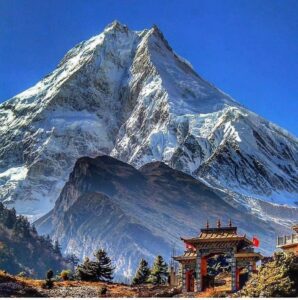
Nepal, home to some of the world’s most iconic mountain landscapes, offers far more than the popular Everest and Annapurna routes. For those seeking raw wilderness, cultural authenticity, and fewer crowds, the Manaslu Circuit Trek and the Tsum Valley Trek stand out as exceptional alternatives. These treks take travelers deep into remote Himalayan regions where ancient traditions, dramatic scenery, and spiritual heritage remain largely untouched by modern development.
Both routes lie in the Manaslu region, a restricted area that requires special permits, which has helped preserve its pristine nature and unique cultural identity. Together, they provide an unforgettable experience for trekkers who want both adventure and cultural immersion.
Overview of the Manaslu Circuit Trek
The Manaslu Circuit Trek is a challenging yet rewarding journey that circles Mount Manaslu, the eighth-highest mountain in the world at 8,163 meters. This trek has gained popularity in recent years as a quieter alternative to the Annapurna Circuit, offering equally stunning landscapes without the heavy foot traffic.
The route typically starts from Soti Khola and gradually ascends through lush subtropical forests, terraced fields, and traditional villages. As trekkers gain altitude, the scenery transforms dramatically into alpine terrain with snow-capped peaks and glacial valleys.
One of the trek’s highlights is crossing the Larkya La Pass at an altitude of 5,106 meters. This is often considered one of the most spectacular high passes in Nepal, offering panoramic views of the Himalayas, including Himlung Himal, Cheo Himal, and Annapurna II.
The trek usually takes around 14 to 18 days, depending on the itinerary and acclimatization needs. It is considered moderately to highly difficult due to long walking days, high altitude, and remote conditions.
Cultural Richness Along the Manaslu Circuit
What makes the Manaslu Circuit Trek particularly special is its cultural diversity. The lower regions are inhabited by Gurung communities, while the upper areas are influenced by Tibetan culture. As trekkers move higher, they encounter Buddhist monasteries, mani walls, chortens, and prayer flags that reflect a deeply spiritual way of life.
Villages such as Samagaon and Samdo provide a glimpse into traditional Himalayan living. These settlements are not only scenic but also culturally significant, offering opportunities to interact with locals and learn about their customs, language, and beliefs.
Introduction to the Tsum Valley Trek
The Tsum Valley Trek is often described as a journey into a “hidden valley.” Opened to trekkers only in 2008, this remote region remains one of Nepal’s most secluded and culturally intact areas. Located northeast of the Manaslu region, Tsum Valley is rich in Tibetan Buddhist heritage and is considered a sacred Himalayan pilgrimage site.
Unlike the circular route of the Manaslu Circuit, the Tsum Valley Trek is typically an out-and-back journey. It branches off from the main Manaslu trail at Lokpa and heads deeper into a quiet valley surrounded by towering peaks.
The trek usually takes 12 to 16 days and is considered moderate in difficulty. While it does not involve crossing extremely high passes like Larkya La, the remoteness and limited infrastructure add to the challenge.
Spiritual and Cultural Significance of Tsum Valley
Tsum Valley is often referred to as the “Valley of Happiness,” and its spiritual atmosphere is immediately noticeable. The region is dotted with ancient monasteries, including Mu Gompa and Rachen Gompa, which serve as important centers of Buddhist learning and meditation.
The valley is home to the Tsumbas, an ethnic group with strong Tibetan roots. Their lifestyle, language, and traditions have remained largely unchanged for centuries. Visitors are often struck by the warmth and hospitality of the local people, as well as their deep connection to spirituality.
One unique aspect of Tsum Valley is its history as a non-violent region, where animal killing was traditionally forbidden. This reflects the strong Buddhist principles that guide daily life in the valley.
Scenic Beauty and Natural Diversity
Both the Manaslu Circuit and Tsum Valley treks offer extraordinary natural beauty, but each has its own distinct character.
The Manaslu Circuit is known for its dramatic variation in landscapes. Trekkers pass through dense forests, roaring rivers, suspension bridges, and high-altitude glaciers. The constant change in scenery keeps the journey visually engaging from start to finish.
In contrast, Tsum Valley offers a more serene and secluded environment. The valley is wide and open, with gentle slopes, traditional villages, and breathtaking views of Ganesh Himal and Shringi Himal. The sense of isolation and tranquility makes it ideal for those seeking a more introspective trekking experience.
Combining Manaslu Circuit and Tsum Valley Treks
For trekkers with sufficient time and stamina, combining both treks into a single itinerary is an excellent option. This extended journey typically takes around 20 to 24 days and offers the best of both worlds: the adventurous high pass of the Manaslu Circuit and the cultural depth of Tsum Valley.
The combined trek allows for a deeper exploration of the region, providing more opportunities to acclimatize and immerse in local life. It is particularly appealing for experienced trekkers who want a comprehensive Himalayan experience beyond the usual routes.
Permits and Regulations
Both treks fall within restricted areas, which means independent trekking is not allowed. Trekkers must be accompanied by a licensed guide and travel through a registered trekking agency.
The required permits include the Manaslu Restricted Area Permit, Tsum Valley Restricted Area Permit, Manaslu Conservation Area Permit (MCAP), and Annapurna Conservation Area Permit (ACAP) if completing the full circuit.
These regulations help preserve the environment and culture while ensuring the safety of visitors.
Best Time to Trek
The best seasons for both the Manaslu Circuit Trek and Tsum Valley Trek are spring (March to May) and autumn (September to November). During these periods, the weather is stable, skies are clear, and mountain views are at their best.
Spring offers blooming rhododendrons and moderate temperatures, while autumn provides crisp air and excellent visibility. Winter treks are possible but can be challenging due to snow and cold temperatures, especially at higher altitudes. The monsoon season is generally avoided due to heavy rainfall and landslides.
Challenges and Preparation
Trekking in the Manaslu region requires proper preparation. The remote nature of the trails means limited access to medical facilities, communication, and infrastructure. Trekkers should be physically fit, mentally prepared, and equipped with appropriate gear.
Altitude sickness is a significant concern, particularly on the Manaslu Circuit. Proper acclimatization, hydration, and a gradual ascent are essential to minimize risks.
Hiring an experienced guide not only ensures compliance with regulations but also enhances safety and provides valuable insights into the region’s culture and environment.
Conclusion
The Manaslu Circuit Trek and Tsum Valley Trek offer a rare opportunity to explore one of Nepal’s most unspoiled regions. These treks combine breathtaking natural beauty with rich cultural experiences, making them ideal for adventurers who seek more than just mountain views.
While the Manaslu Circuit delivers thrilling high-altitude challenges and diverse landscapes, Tsum Valley provides a शांत and spiritually enriching journey into a hidden Himalayan world. Together, they form a trekking experience that is both physically rewarding and deeply meaningful.
