

Berber travel offers a unique and meaningful way to explore the rich cultural heritage of Morocco. The Berbers, also known as Amazigh people, are the indigenous (inhabitants) of North Africa, with a history that dates back thousands of years. Their traditions, lifestyle, and connection to nature provide travelers with an authentic and unforgettable experience.
From the mountains to the desert, Berber travel allows you to step away from typical tourist routes and connect with a way of life that has remained deeply rooted in tradition.
Who Are the Berber People?
The Berber people are the origin of Morocco and have lived in the region long before Arab influence. Today, they are spread across various parts of the country, especially in rural and mountainous areas.
Many Berbers live in regions such as the Atlas Mountains, where they maintain traditional lifestyles based on farming, herding, and craftsmanship. Their language, customs, and architecture reflect a deep cultural identity that continues to thrive in modern times.
Berber communities are known for their warm hospitality, making travelers feel welcome and at home.
What Is Berber Travel?
Berber travel focuses on experiencing the culture, traditions, and daily life of Berber communities. Unlike typical city-based tourism, this type of travel takes you into rural areas, where you can interact with locals and learn about their way of life.
This may include staying in traditional homes, sharing meals with families, participating in local activities, and exploring natural landscapes. Berber travel is about connection, understanding, and cultural exchange.
Visiting Berber Villages
One of the highlights of Berber travel is visiting traditional villages in the Atlas Mountains. These villages are often built with natural materials such as mud and stone, blending seamlessly into the surrounding landscape.
Walking through a Berber village gives you a glimpse into daily life. You may see women baking bread, children playing, and farmers tending to their fields. The simplicity and beauty of village life offer a refreshing contrast to modern cities.
Many tours include guided visits, allowing you to learn about local customs and traditions directly from the people who live there.
Staying in a Berber Home
For a deeper experience, many travelers choose to stay in a traditional Berber home or guesthouse. These accommodations are simple yet comfortable and provide an authentic environment.
Sharing meals with a Berber family is often a highlight. Traditional dishes such as tagine and couscous are prepared using local ingredients and served with genuine hospitality.
Evenings are often spent enjoying conversation, music, and storytelling, giving you insight into Berber culture and history.
Exploring Nature and Landscapes
Berber travel is closely connected to nature. The regions where Berber communities live are some of the most beautiful in Morocco.
The Atlas Mountains offer opportunities for hiking, trekking, and exploring scenic valleys. You can walk through lush landscapes, cross rivers, and enjoy panoramic views of the mountains.
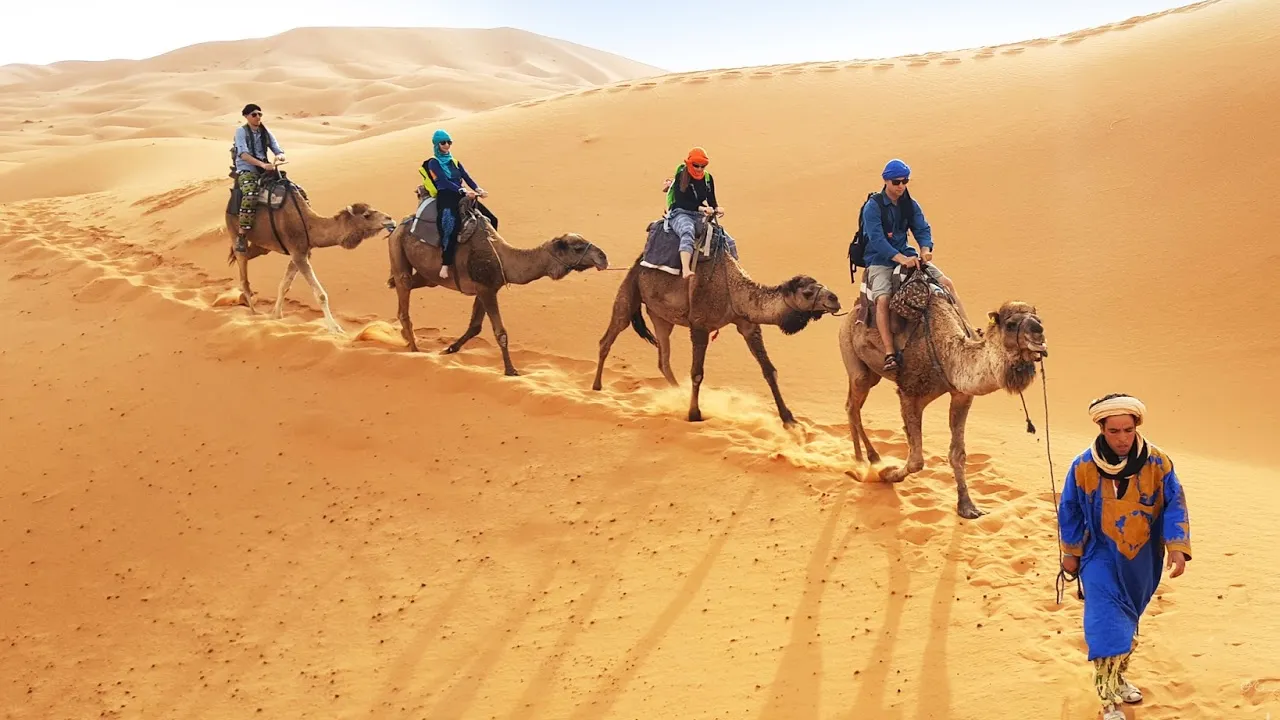
Desert regions also play an important role in Berber culture. Many Berber families have traditionally lived in or near the desert, adapting to its harsh conditions. Visiting these areas allows you to experience the beauty and silence of the desert.
Cultural Traditions and Crafts
Berber culture is rich in traditions and craftsmanship. During your (journey), you may have the chance to see artisans creating handmade products such as carpets, pottery, and jewelry.
Each item tells a story and reflects the identity of the community. Berber rugs, for example, often feature patterns and symbols that represent family history or local beliefs.
Music and dance are also important parts of Berber culture. Traditional instruments and rhythms are used during celebrations and gatherings, creating a lively and joyful atmosphere.
Food and Culinary Experiences
Food is an essential part of Berber travel. Meals are often prepared using fresh, locally sourced ingredients and cooked in traditional ways.
Tagine, a slow-cooked dish made with meat and vegetables, is a staple in Berber cuisine. Bread is baked daily and served with olive oil, honey, or dips.
Mint tea is a symbol of hospitality and is offered to guests throughout the day. Sharing tea with a Berber family is a simple yet meaningful experience that reflects their welcoming nature.
Best Time for Berber Travel
The best time for Berber travel in Morocco is during spring (March to May) and autumn (September to November). During these seasons, the weather is mild and comfortable for outdoor activities.
Summer can be hot, especially in desert regions, while winter can bring cold temperatures in the mountains. Choosing the right time to travel ensures a more enjoyable experience.
Responsible and Respectful Travel
When engaging in Berber travel, it is important to be respectful of local customs and traditions. Dress modestly, especially in rural areas, and always ask for permission before taking photos of people.
Supporting local communities by purchasing handmade goods or staying in family-run accommodations helps contribute to sustainable tourism.
Being open-minded and respectful allows for a more meaningful and positive travel experience.
Why Choose Berber Travel?
Berber travel offers something different from typical (tourism). It allows you to connect with people, understand their way of life, and experience a culture that has remained strong for centuries.
This type of travel is ideal for those seeking authenticity, adventure, and cultural immersion. It provides a deeper understanding of Morocco beyond its (cities) and tourist attractions.
Conclusion
Berber travel is a journey into the heart and soul of Morocco. From the peaceful villages of the Atlas Mountains to the traditions and hospitality of the Berber people, every moment offers something special.
Whether you are exploring nature, sharing meals with local families, or learning about ancient customs, Berber travel provides an experience that is both enriching and unforgettable. It is not just about visiting a place—it is about connecting with a culture and creating lasting memories.
