

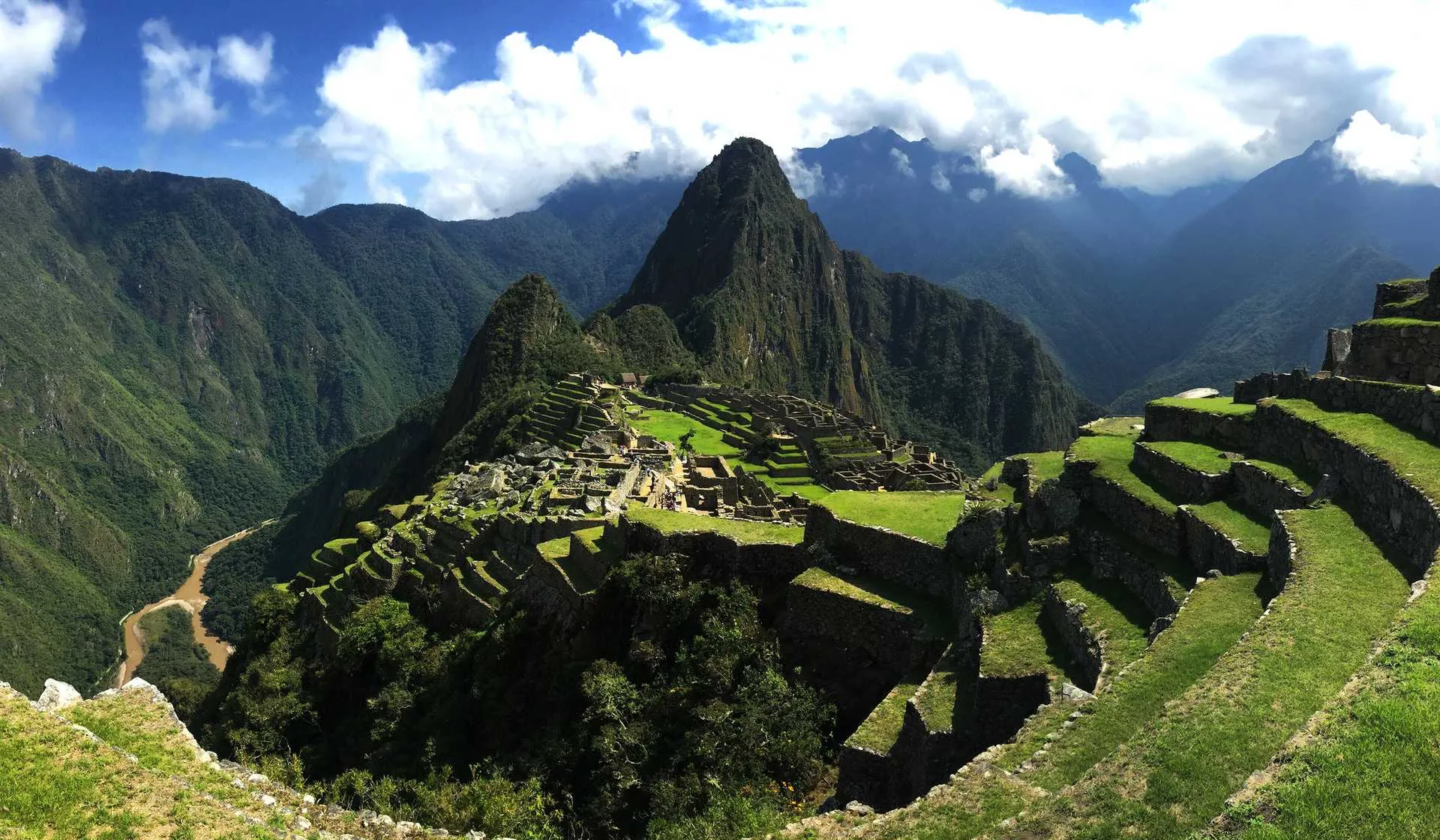
Few travel experiences capture the imagination quite like trekking to Machu Picchu Trekking. This ancient Incan citadel, perched dramatically on a mountain ridge 2,430 meters above sea level in the Peruvian Andes, represents the pinnacle of pre-Columbian engineering and spiritual achievement. While visitors can reach Machu Picchu by train and bus, the trekking routes offer something far more profound: a multi-day journey through stunning mountain landscapes, cloud forests, and Incan archaeological sites that culminates in arriving at the Sun Gate or another strategic viewpoint to witness Machu Picchu emerge from morning mist a moment of revelation that justifies every challenging step.
The Classic Inca Trail: The Most Famous Route
The Classic Inca Trail stands as the most renowned trekking route to Machu Picchu, and for excellent reasons. This 43-kilometer (26-mile) path follows original Incan roadways through diverse ecosystems, past numerous archaeological sites, and over mountain passes reaching 4,215 meters at Dead Woman’s Pass. The four-day, three-night standard itinerary balances physical challenge with cultural immersion in a way few treks worldwide can match.
What distinguishes the Inca Trail isn’t merely the destination but the journey itself. Trekkers pass through multiple climate zones from highland grasslands and cloud forests to subtropical vegetation encountering orchids, hummingbirds, and if fortunate, the elusive Andean spectacled bear. The trail incorporates over 30 archaeological sites, including Runkurakay, Sayacmarca, and Wiñay Wayna, each offering insights into how the Incas used this route for religious pilgrimage, administrative communication, and strategic military purposes.
The trek’s crescendo comes on the fourth morning when hikers wake before dawn and walk the final section to Inti Punku, the Sun Gate. From this vantage point, as sunlight illuminates the ancient city below, Machu Picchu reveals itself gradually first the agricultural terraces, then the urban sector, and finally the iconic Huayna Picchu peak backdrop. This approach, walking through the original Incan gateway rather than arriving by bus, creates an emotional connection to the site that transcends typical tourism.
However, the Inca Trail’s popularity necessitates significant planning. The Peruvian government limits access to 500 people daily (including porters and guides), and permits typically sell out 5-6 months in advance for peak season (May-September). Independent trekking is prohibited; all visitors must book through licensed tour operators. The trail closes entirely each February for maintenance and environmental recovery.
Salkantay Trek: The Challenging Alternative
For those seeking a longer, more physically demanding adventure without permit complications, the Salkantay Trek presents an exceptional alternative. This five-day, four-night route covers approximately 74 kilometers through some of Peru’s most spectacular and varied terrain, circumnavigating Mount Salkantay (6,271 meters), the second-highest peak in the Cusco region and one of the most sacred mountains in Incan cosmology.
The trek begins in Mollepata and quickly ascends to the Salkantay Pass at 4,650 meters higher than any point on the Classic Inca Trail. The altitude and exposure create genuine challenges, but the rewards match the effort. Massive glaciated peaks dominate the horizon, turquoise glacial lakes dot the landscape, and the sense of remoteness far exceeds what the more trafficked Inca Trail offers.
What makes the Salkantay Trek particularly fascinating is the dramatic environmental transition. The route descends from harsh, wind-swept high-altitude passes into lush cloud forest teeming with biodiversity. Temperatures shift from near-freezing nights at high camps to humid subtropical warmth in the lower sections. Coffee plantations appear as you enter the agricultural zones, and some tour operators incorporate visits to local farms where trekkers can learn about coffee cultivation and processing.
The standard Salkantay route doesn’t directly enter Machu Picchu via ancient paths like the Inca Trail does. Instead, it typically concludes at the town of Aguas Calientes (Machu Picchu Pueblo), where trekkers spend the night before taking an early morning bus to the citadel. However, some operators offer hybrid routes combining Salkantay with portions of the Inca Trail, providing both wilderness adventure and the satisfaction of entering Machu Picchu through Inti Punku.
Lares Trek: Cultural Immersion and Scenic Beauty
The Lares Trek offers a completely different trekking philosophy, prioritizing cultural encounters and off-the-beaten-path mountain scenery over archaeological sites. This three to four-day route winds through the Lares Valley, a region of traditional Quechua villages where indigenous communities maintain ancestral practices of weaving, farming, and animal husbandry largely unchanged for centuries.
The trail crosses high mountain passes with views of snow-capped peaks, skirts pristine alpine lakes, and descends into valleys where llamas and alpacas graze on lush pastures. What truly distinguishes the Lares Trek is the opportunity for genuine cultural interaction. Unlike more touristed routes, trekkers visit remote communities where residents speak primarily Quechua, wear traditional handwoven clothing, and welcome visitors into their homes with cautious hospitality.
Many Lares itineraries include visits to natural hot springs at Lares town itself a welcome respite for trail-weary muscles. The trek typically concludes not at Machu Picchu directly but at Ollantaytambo, from where trekkers take the train to Aguas Calientes for their Machu Picchu visit. This separation means the Lares Trek appeals particularly to those who value cultural authenticity and prefer less crowded trails, even if it means forgoing the dramatic direct approach to the ancient citadel.
Shorter Options: The Two-Day Inca Trail
Not everyone has four or five days for trekking, nor does everyone feel prepared for multi-day high-altitude hiking. The Short Inca Trail addresses both concerns, offering a condensed two-day, one-night experience that still incorporates authentic Incan pathways and the sunrise arrival at Machu Picchu.
This abbreviated route begins at Kilometer 104 of the railway line to Aguas Calientes and covers approximately 16 kilometers to Machu Picchu. The trek includes visits to the remarkable sites of Chachabamba and Wiñay Wayna before arriving at Inti Punku for sunset views. Trekkers overnight in Aguas Calientes and return to Machu Picchu early the next morning for a comprehensive guided tour.
While less demanding than longer treks, the Short Inca Trail still requires permits (also limited and booking in advance), reasonable fitness, and the ability to handle altitude and uneven terrain. It represents an excellent compromise for travelers with limited time or those uncertain about their capacity for extended mountain trekking.
Preparing for Your Machu Picchu Trek
Successful trekking to Machu Picchu requires thoughtful preparation across multiple dimensions. Physical conditioning should begin at least 8-12 weeks before departure, focusing on cardiovascular endurance, leg strength, and hiking with a weighted backpack. While porters carry most equipment on organized treks, you’ll still carry a daypack with water, snacks, camera, and layers.
Altitude acclimatization is non-negotiable. Most treks begin at elevations around 2,800-3,000 meters and cross passes above 4,000 meters. Arriving in Cusco (3,400 meters) at least two days before your trek allows initial physiological adjustment. Many travelers spend additional acclimatization days exploring the Sacred Valley (2,800 meters) before attempting higher altitudes.
Essential gear includes quality hiking boots broken in before the trip, moisture-wicking clothing for layering, rain protection, a warm sleeping bag rated for below-freezing temperatures (or rent one through your tour operator), trekking poles for knee protection on descents, and a headlamp for early morning starts. Sun protection is crucial at high altitude SPF 50+ sunscreen, quality sunglasses, and a wide-brimmed hat are mandatory.
Most trekkers book all-inclusive packages that provide tents, meals, porters, and guides. Reputable operators follow ethical treatment standards for porters, limiting weight carried and providing appropriate equipment and wages. Choosing companies certified by organizations like the International Porter Protection Group ensures your trek supports rather than exploits the local people who make these adventures possible.
Environmental and Cultural Responsibility
The increasing popularity of Machu Picchu trekking has created environmental pressures and cultural impacts that responsible trekkers must acknowledge. The Peruvian government has implemented various regulations permit limitations, mandatory guides, trail closures to protect fragile ecosystems and archaeological sites. Trekkers should embrace Leave No Trace principles, pack out all waste, stay on established trails, and avoid disturbing wildlife or removing any natural or cultural artifacts.
Respectful interaction with local communities encountered along routes like the Lares Trek means seeking permission before photographing people, purchasing crafts directly from artisans at fair prices, and recognizing that these communities are not theme parks but living cultures. The economic benefits tourism brings should flow to local people, which happens when trekkers choose operators who employ local guides and porters and support community development projects.
The Machu Picchu Experience Itself
After days of trekking, arriving at Machu Picchu carries profound emotional weight. The site opens at 6:00 AM, and most trekkers enter early to experience the citadel in relative quiet before day-trippers arrive by train. Guided tours typically last 2-3 hours, explaining the site’s history, architecture, and theories about its function whether royal estate, religious sanctuary, astronomical observatory, or all of these combined.
Following your guided tour, regulations now require choosing one of several timed circuits through the ruins. Some trekkers opt to hike Huayna Picchu, the steep peak looming behind the ruins, for aerial perspectives (requires separate advance permits). Others climb to the Sun Gate for a different vantage point or simply find a quiet terrace to sit and absorb the achievement of reaching this remarkable place on foot.
Beyond the Trek: Maximizing Your Machu Picchu Region Visit
Many trekkers extend their adventures beyond the primary trek. The Sacred Valley offers numerous attractions: the colorful markets of Pisac and Chinchero, the agricultural terraces of Moray, the salt pans of Maras, and the fortress of Ollantaytambo. Mountain biking, whitewater rafting, and horseback riding provide active alternatives to more trekking, while cooking classes and weaving workshops offer cultural engagement.
Cusco itself deserves several days of exploration. The city’s blend of Incan and colonial architecture, vibrant culinary scene, and position as the gateway to the region make it far more than just a staging point for treks. Museums provide context about Incan civilization, while nearby sites like Sacsayhuamán and Q’enqo can be visited independently or on guided tours.
Conclusion
Machu Picchu Trekking transforms the experience of visiting this world wonder from a destination checked off a list into a transformative journey of physical challenge, cultural discovery, and personal achievement. Whether you choose the Classic Inca Trail’s archaeological richness, the Salkantay Trek’s wilderness grandeur, the Lares Trek’s cultural authenticity, or a shorter alternative, the act of walking through the Andes to reach the Lost City creates connections to landscape, to history, to fellow trekkers, and to something within yourself that define travel at its most meaningful. The sore muscles fade quickly; the memories and sense of accomplishment endure.
Key Takeaways
-
Multiple Route Options: Classic Inca Trail (4 days, requires permits months in advance), Salkantay Trek (5 days, no permits needed), Lares Trek (3-4 days, cultural focus), and Short Inca Trail (2 days, permits required)
-
Permit Planning: Classic and Short Inca Trails require permits booking 5-6 months ahead for peak season; independent trekking prohibited on Inca Trail routes
-
Altitude Preparation: Spend minimum 2-3 days acclimatizing in Cusco (3,400m) before attempting treks that cross passes above 4,000 meters
-
Physical Conditioning: Begin training 8-12 weeks before departure, focusing on cardio endurance, leg strength, and hiking with weighted pack
-
Best Season: May-September offers driest weather and clearest mountain views; April and October provide good conditions with fewer crowds
-
Essential Gear: Broken-in hiking boots, layered clothing, rain protection, sleeping bag rated for freezing temperatures, trekking poles, and comprehensive sun protection
-
Ethical Operators: Choose companies certified for porter welfare that limit porter loads, provide proper equipment, and pay fair wages
-
All-Inclusive Packages: Most trekkers book tours including guides, porters, meals, tents, and transportation; typically costs $500-800 for multi-day treks
-
Environmental Responsibility: Practice Leave No Trace principles, stay on designated trails, and pack out all waste to protect fragile ecosystems
