

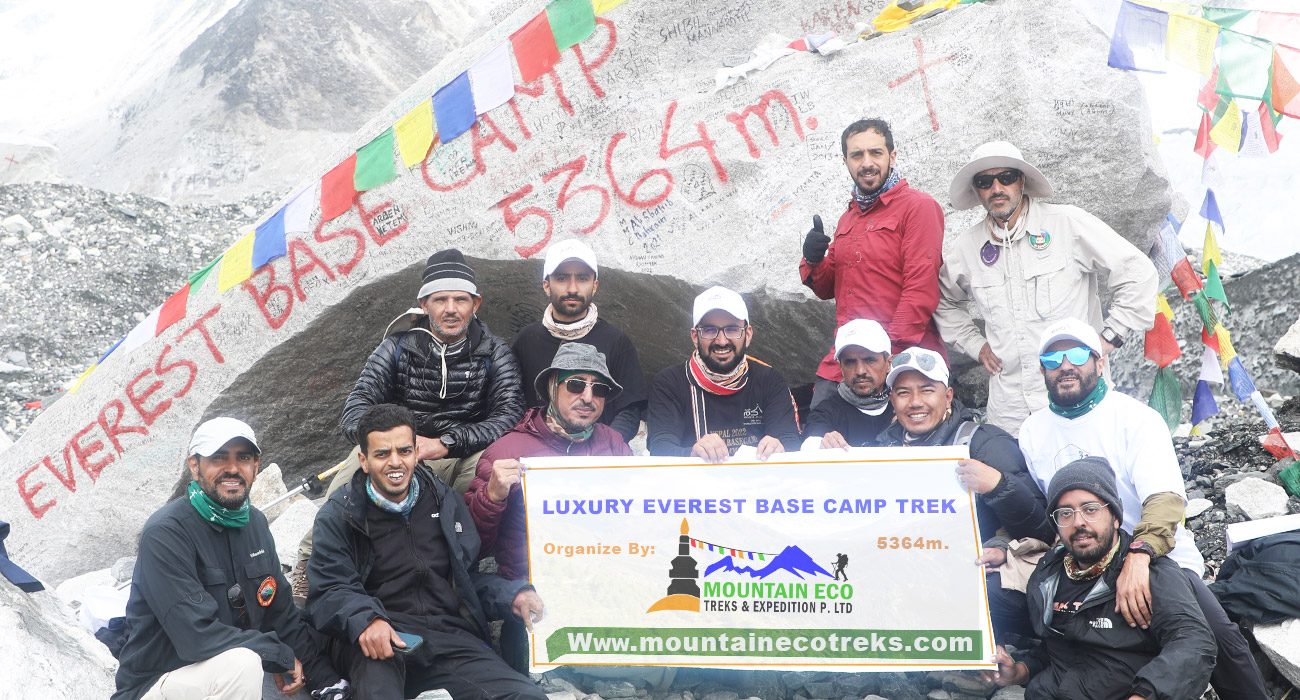
A trek to Everest is not only about standing in front of the world’s highest mountain. It is also about the people you meet, the villages you pass, and the traditions that make the region unique.
The Everest Base Camp Luxury Trek gives travelers a chance to explore the Khumbu while enjoying a more comfortable style of travel. Instead of treating Base Camp as the only goal, the journey can become an opportunity to understand the mountain communities that have called this region home for generations.
The Khumbu Is More Than a Trekking Route
When travelers first think about Everest, they usually imagine snow-covered peaks.
But the Khumbu has a much deeper story.
The region has its own villages, monasteries, farming traditions, food, and way of life. Walking through it gives you a chance to see how people live in one of the world’s most challenging environments.
Meet the Sherpa Community
Sherpa culture is closely connected to the Everest region.
Many Sherpa families have generations of experience living and working in the mountains. Their knowledge of the terrain has also made them an important part of Himalayan trekking and climbing.
A local guide can help you understand customs and traditions that you might otherwise miss.
That makes conversations along the trail just as valuable as the mountain views.
Namche Bazaar: The Heart of the Trail
Namche Bazaar is one of the most memorable stops on the route.
Built into a mountain slope, the town has shops, cafes, lodges, bakeries, and busy walking paths. After quieter villages, Namche can feel surprisingly lively.
It is also an important place for acclimatization.
Take Time to Explore
Instead of spending your entire stay inside your accommodation, walk around Namche.
Look at the local shops. Visit viewpoints. Try a warm drink. Talk with your guide about the area’s history.
These simple activities can turn an overnight stop into one of the highlights of your trip.
Monasteries Add a Quiet Moment
The Everest region has a strong Buddhist influence.
Prayer flags can be seen along trails, near homes, and around mountain passes. Prayer wheels are also common. Monasteries provide peaceful places where travelers can pause and learn about local beliefs.
Travel With Respect
You are entering communities with traditions that may be different from your own.
When visiting religious sites, follow local instructions. Dress appropriately, speak quietly, and ask before taking photographs of people or ceremonies.
Being a respectful visitor costs nothing, but it can make your experience much more meaningful.
Mountain Hospitality Feels Different
There is something special about arriving at a small mountain settlement after hours on the trail.
The surroundings may be cold and rugged, but a warm room or meal can make the evening feel welcoming.
This is one area where the Everest Base Camp Luxury Trek can offer an advantage. Better accommodation and planning can give you more time to relax and enjoy your surroundings.
A Warm Meal After a Cold Walk
Food becomes part of the daily rhythm on a trek.
A hot bowl of soup, a simple rice meal, or a cup of tea can feel surprisingly satisfying after a long day.
Luxury does not need to mean complicated food. What matters most is having reliable meals that provide enough energy for the next day’s walk.
The Landscape Tells Its Own Story
The scenery changes as you move toward Base Camp.
Lower sections may have forests and green hills. Higher areas become colder, drier, and more open.
You begin to see more dramatic rock formations and snow-covered peaks.
Watch How the Mountains Change
Do not expect the landscape to look the same every day.
That is part of what makes the journey interesting.
A mountain that appears distant one day may look much closer after another day of walking. Valleys become narrower, vegetation becomes thinner, and the feeling of being high in the Himalayas becomes stronger.
Why a Slower Pace Can Be Better
Many travelers naturally focus on distance.
They want to know how many miles they need to cover each day and how quickly they can reach Base Camp.
But altitude changes the rules.
Walking too quickly can leave you exhausted and may make it harder for your body to adjust.
Give Yourself Time to Adapt
A well-planned itinerary includes time for acclimatization.
During these periods, you may take shorter walks, explore nearby areas, or simply rest.
That can feel strange if you are used to busy vacations. In the Himalayas, however, slowing down is part of smart travel.
Prepare for the Reality of High-Altitude Weather
Photos of Everest often show clear blue skies.
Real mountain weather is less predictable.
Temperatures can change quickly, and conditions may be very different between lower villages and higher sections.
Dress in Layers
Instead of relying on one heavy jacket, use several layers.
A basic system can include:
- Moisture-wicking base layer
- Warm middle layer
- Insulated jacket
- Waterproof outer shell
- Warm hat
- Gloves
- Comfortable trekking pants
- Good trekking socks
Layers allow you to adjust your clothing as the temperature changes.
What Makes the Luxury Experience Worth Considering?
Luxury is not simply about having a nicer room.
It can mean having fewer things to worry about.
When accommodation, transportation, meals, guides, and daily plans are properly arranged, you can spend more time enjoying the destination.
For some travelers, that convenience is worth paying for.
It Can Be a Special Occasion Trip
Everest can be an exciting destination for a major celebration.
A couple may want to mark an anniversary. Friends may want to complete a shared adventure. A traveler may simply want to do something memorable after years of planning.
A more comfortable trekking style can make such a trip feel even more special.
Small Habits Can Improve Your Trek
You do not need complicated tricks to make the journey easier.
Simple habits can help.
Drink water throughout the day. Eat regularly. Keep your pace steady. Protect yourself from the sun. Get enough sleep.
Most importantly, pay attention to how you feel.
If something does not feel right, tell your guide instead of trying to hide it.
Leave the Khumbu Better Than You Found It
The Everest region belongs to the people who live there, not just the tourists who visit.
Travelers have a responsibility to reduce waste and respect local communities.
Carry reusable items when practical, avoid littering, use water carefully, and follow local environmental rules.
The mountains should remain beautiful for future visitors and, more importantly, for the people who live there.
Make the Journey About More Than the Finish Line
Reaching Everest Base Camp is a major achievement.
But if you rush through every village, ignore local culture, and spend the entire trek counting down the days, you may miss some of the best parts.
The Everest Base Camp Luxury Trek gives you the opportunity to slow down and experience the Khumbu from a more comfortable perspective.
You can explore mountain villages, learn about Sherpa culture, enjoy changing landscapes, and still reach one of the world’s most famous trekking destinations.
The strongest memories may not come from Base Camp itself. They may come from a quiet morning, a conversation with a guide, or a mountain view you did not expect.
Frequently Asked Questions
What is special about the Khumbu region?
The Khumbu combines dramatic Himalayan scenery with Sherpa villages, Buddhist traditions, mountain trails, and a long history of life in the high Himalayas.
Can I learn about Sherpa culture during the trek?
Yes. Local guides can explain the area’s traditions, history, villages, monasteries, and daily life as you travel through the region.
Is Namche Bazaar worth exploring?
Definitely. It is more than a stopping point. You can explore the town, enjoy mountain views, visit local shops, and use the time for acclimatization.
Does a luxury trek remove the need for preparation?
No. You still need suitable clothing, footwear, fitness, and preparation for high altitude. Comfort does not change the basic demands of the mountain.
Why should I choose a luxury trekking style?
It can be a good fit if you want the adventure of the Everest route but prefer better organization, greater comfort, and more time to enjoy the experience rather than focusing only on reaching Base Camp.
