

Introduction
Hiking in the High Atlas Mountains is one of the most rewarding ways to discover Morocco beyond its famous cities and golden desert landscapes. Stretching across central Morocco, this spectacular mountain range features rugged peaks, traditional Berber villages, deep valleys, and winding trails that reveal a quieter and more authentic side of the country. From peaceful countryside walks to challenging high-altitude adventures, the High Atlas offers experiences for hikers with different interests and fitness levels.
What makes this region special is the combination of natural beauty and local culture. A single hiking journey can take visitors through terraced fields, past traditional stone houses, alongside flowing mountain streams, and toward panoramic viewpoints overlooking dramatic peaks. For travelers seeking adventure, fresh mountain air, and meaningful cultural encounters, the High Atlas Mountains provide an unforgettable escape.
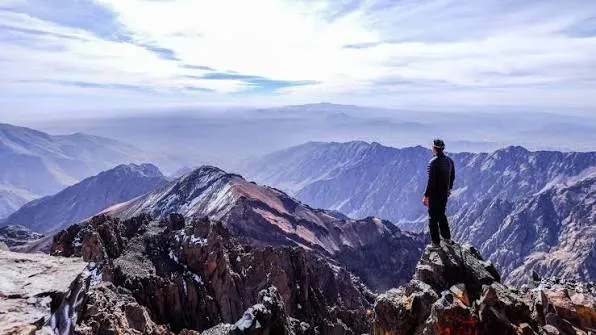
Discover the Natural Beauty of the High Atlas
The High Atlas Mountains are known for their impressive landscapes and changing scenery. Rocky ridges rise above green valleys, while small villages appear on hillsides surrounded by orchards and agricultural terraces. Depending on the season and altitude, hikers may encounter wildflowers, snow-covered summits, clear streams, or wide-open mountain plateaus.
The scenery changes throughout the journey, making each section of the trail feel different. Lower elevations often feature cultivated land and traditional settlements, while higher routes become more rugged and exposed. These contrasts make hiking here appealing to photographers, nature lovers, and outdoor enthusiasts who want to experience Morocco from a different perspective.
The region is also home to Mount Toubkal, the highest peak in North Africa. Although reaching its summit requires preparation and a suitable level of fitness, hikers do not need to climb Toubkal to appreciate the beauty of the surrounding mountains. Numerous shorter routes offer spectacular views without requiring a demanding summit expedition.
Popular Hiking Routes in the High Atlas
One of the advantages of hiking in the High Atlas is the variety of routes available. Travelers can choose a gentle walk through a valley, a full-day mountain excursion, or a multi-day trek connecting remote villages.
The Imlil area is among the most popular starting points for mountain adventures. Located in the foothills of the High Atlas, it provides access to scenic trails, traditional settlements, and routes toward Mount Toubkal. Visitors can enjoy shorter hikes around nearby villages or choose more challenging journeys with a local guide.
For hikers interested in dramatic landscapes, the Toubkal region offers rocky paths, mountain passes, and impressive views of surrounding peaks. Multi-day treks may include overnight stays in mountain refuges or local guesthouses, allowing travelers to experience the mountains after the day visitors have returned to the city.
The Aït Bouguemez Valley, often called the Happy Valley, offers a different experience. Known for its agricultural landscapes, traditional villages, and peaceful atmosphere, it is particularly appealing to travelers who prefer cultural walks and less hurried exploration.
The best route depends on available time, hiking experience, weather conditions, and personal fitness. Choosing a suitable trail helps ensure the journey remains enjoyable and safe.
Experience Traditional Berber Culture
Hiking in the High Atlas is not only about reaching viewpoints or covering long distances. It also provides opportunities to learn about the Amazigh, commonly known as Berber, communities that have lived in these mountains for generations.
Many villages preserve traditional architecture, local agricultural practices, and distinctive ways of life shaped by the mountain environment. As hikers pass through these settlements, they may see terraced fields, livestock, and families carrying out everyday activities.
Hospitality is an important part of many local experiences. Travelers may have opportunities to enjoy traditional Moroccan mint tea, sample homemade bread, or taste meals prepared with locally available ingredients. Staying in a village guesthouse can provide a deeper understanding of regional traditions and everyday life.
Visitors should approach these encounters respectfully. Asking permission before photographing people, dressing appropriately in villages, and following a guide’s advice can help create positive interactions with local communities.
Best Time to Go Hiking
The best time for hiking in the High Atlas depends on the route and altitude. Spring, generally from April to May, often brings pleasant temperatures, greener valleys, and seasonal flowers. Autumn, particularly September and October, can also offer comfortable hiking conditions and clear mountain views.
Summer may be suitable for some higher-altitude routes, but temperatures can become very hot in lower valleys. Starting early in the morning, carrying enough water, and planning appropriate rest stops are particularly important during warmer periods.
Winter brings snow and cold conditions to higher elevations. Some trails may become difficult or dangerous without suitable equipment and experience. Snow, ice, and changing weather can make certain routes appropriate only for properly equipped hikers accompanied by qualified mountain professionals.
Before setting out, check the local forecast and ask experienced guides about current trail conditions. Mountain weather can change quickly, even when the day begins with clear skies.
Preparing for Your Hiking Adventure
Good preparation makes a significant difference when exploring the High Atlas Mountains. Even a relatively short hike can involve uneven ground, steep sections, and changes in temperature.
Comfortable hiking boots with reliable grip are essential, especially on rocky paths. Layered clothing helps you adjust to changing conditions, while a waterproof jacket provides protection against unexpected rain or wind. Sun protection, including sunglasses, sunscreen, and a hat, is important at higher elevations.
Carry enough drinking water and energy-rich snacks for the planned route. A basic first-aid kit, a charged mobile phone, and an offline map can also be useful. For longer or more remote hikes, additional equipment and careful planning may be necessary.
Hiring a knowledgeable local guide is worth considering, particularly for unfamiliar trails, remote valleys, and high-altitude routes. Guides can help with navigation, explain local customs, assess changing conditions, and connect travelers with village communities. For demanding routes, choose a qualified professional and follow local safety recommendations.
Responsible Hiking in the High Atlas
Protecting the natural environment is essential to preserving the region for future visitors and local residents. Hikers should stay on established trails where possible, take all rubbish away with them, and avoid disturbing wildlife or damaging vegetation.
Water is a valuable resource in many mountain communities, so visitors should use it thoughtfully. Supporting locally owned guesthouses, hiring local guides, and purchasing food or crafts from village businesses can also help ensure tourism benefits the people who live in the region.
Respect for local traditions is equally important. Simple actions, such as asking before taking photographs and being considerate around homes and religious spaces, make hiking more rewarding for everyone involved.
Responsible travel is not simply about following rules. It is about recognizing that the High Atlas is a living landscape, where communities, nature, and tourism are closely connected.
Why Choose the High Atlas for Your Next Adventure?
The High Atlas Mountains offer a rare balance of adventure, culture, and tranquility. Unlike trips focused entirely on busy attractions, hiking here encourages travelers to slow down and appreciate the journey itself.
Some visitors come for the challenge of steep mountain trails, while others want peaceful walks through villages and valleys. Many discover that the most memorable moments happen between destinations: sharing tea with a host, watching clouds move across a mountain ridge, or seeing sunlight illuminate a remote village.
The region can also be combined with a visit to Marrakech, making it an appealing option for travelers who want to experience both Morocco’s lively city atmosphere and its quieter mountain landscapes. With careful planning, even a short trip can provide a meaningful introduction to the High Atlas.
Conclusion
Hiking in the High Atlas Mountains is an excellent way to experience Morocco’s natural diversity, cultural heritage, and adventurous spirit. From the scenic trails around Imlil to the peaceful landscapes of the Aït Bouguemez Valley, the region offers routes for different abilities and travel styles.
With the right preparation, a suitable itinerary, and respect for local communities, hikers can enjoy remarkable scenery while discovering traditions that have shaped mountain life for generations. Whether you are planning a short walk or a multi-day trek, the High Atlas promises an experience that goes far beyond ordinary sightseeing.
Key Takeaways
-
The High Atlas Mountains offer rugged peaks, green valleys, traditional villages, and spectacular hiking trails.
-
Popular hiking areas include Imlil, the Mount Toubkal region, and the Aït Bouguemez Valley.
-
Spring and autumn are often favorable seasons, although conditions vary with altitude and weather.
-
Proper footwear, layered clothing, sufficient water, and route planning are essential.
-
Local guides can improve navigation, safety, and cultural understanding.
-
Responsible hiking helps protect the environment and supports mountain communities.
Final Thoughts
A hiking journey through the High Atlas Mountains is an opportunity to discover a side of Morocco that many travelers never fully experience. Every trail offers a different perspective, from sweeping mountain views to quiet village encounters and moments of stillness in nature. By traveling thoughtfully and preparing well, visitors can enjoy an adventure that is both physically rewarding and culturally enriching. For anyone seeking authentic experiences and beautiful mountain landscapes, the High Atlas deserves a place on the travel list.
