

Introduction
The Himalayas are home to some of the world’s most breathtaking mountain landscapes, and Nepal remains a dream destination for adventure lovers. Among its most famous trekking experiences, the Everest Base Camp Trek stands out as an unforgettable journey through spectacular mountain scenery, traditional Sherpa villages, ancient monasteries, and beautiful valleys. It offers travelers the opportunity to explore the region surrounding Mount Everest while experiencing the unique culture and hospitality of the local communities.
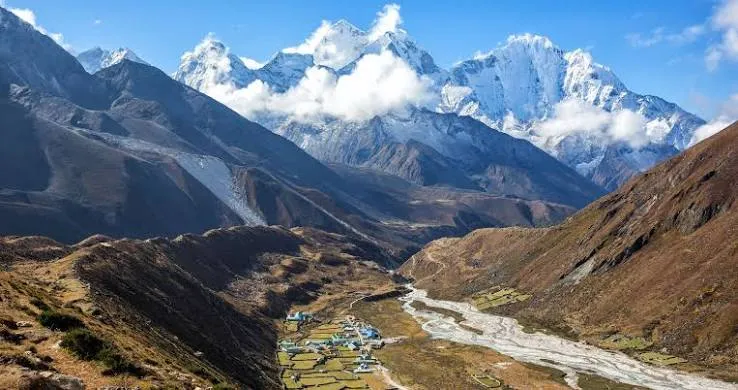
For anyone planning this adventure, understanding the Everest Base Camp Trek Itinerary is an important first step. A well-designed itinerary allows trekkers to prepare for the altitude, enjoy the highlights along the route, and complete the journey at a comfortable pace.
Everest Base Camp Trek: An Unforgettable Himalayan Adventure
The Everest Base Camp Trek takes place in Nepal’s Khumbu region, within Sagarmatha National Park. The journey typically begins with a flight to Lukla, a mountain town that serves as the main starting point for many trekking groups. From there, the trail passes through beautiful settlements, suspension bridges, forests, and high-altitude valleys before reaching Everest Base Camp at approximately 5,364 meters.
One of the most exciting aspects of this trek is the opportunity to experience traditional Sherpa culture. Villages such as Phakding, Namche Bazaar, Tengboche, and Dingboche offer insight into local lifestyles, Buddhist traditions, and mountain hospitality. Trekkers can visit monasteries, explore local markets, and enjoy spectacular views of the surrounding peaks.
Namche Bazaar is one of the major highlights along the route. Often described as the gateway to Everest, this lively mountain settlement provides accommodation, shops, restaurants, and important acclimatization opportunities. From the trail, trekkers can enjoy impressive views of Everest, Lhotse, Ama Dablam, and other Himalayan giants.
Another memorable stop is Tengboche, famous for its monastery and beautiful mountain surroundings. As the trail continues toward Dingboche and Lobuche, the landscape gradually changes into a rugged alpine environment. The final approach to Everest Base Camp is physically demanding but rewarding, offering a close-up experience of the Khumbu Glacier and the dramatic Himalayan terrain.
Many trekkers also climb Kala Patthar, a popular viewpoint that provides outstanding panoramic views of Mount Everest and neighboring peaks.
Everest Base Camp Trek Itinerary: Day-by-Day Overview
A standard Everest Base Camp Trek Itinerary generally takes around 12 to 14 days, although the exact duration depends on the route, weather, flight arrangements, and acclimatization requirements.
Day 1: Arrival in Kathmandu
Arrive in Kathmandu, meet the trekking team, check equipment, and prepare for the adventure. This day is also useful for completing final arrangements.
Day 2: Fly to Lukla and Trek to Phakding
Take a scenic flight to Lukla and begin trekking toward Phakding. The trail follows the Dudh Koshi River through beautiful mountain scenery and small settlements.
Day 3: Trek from Phakding to Namche Bazaar
Continue through pine forests and cross several suspension bridges before reaching Namche Bazaar. The uphill section can be challenging, so maintaining a steady pace is important.
Day 4: Acclimatization Day in Namche Bazaar
Spend an additional day in Namche to help the body adjust to the altitude. Trekkers can explore the village or take a short acclimatization hike to nearby viewpoints.
Day 5: Trek from Namche Bazaar to Tengboche
Follow a scenic trail with impressive mountain views before reaching Tengboche. Visit the famous monastery and enjoy the peaceful Himalayan atmosphere.
Day 6: Trek from Tengboche to Dingboche
Continue through alpine landscapes and traditional settlements toward Dingboche, where the surrounding peaks create a spectacular mountain setting.
Day 7: Acclimatization Day in Dingboche
Take time to rest and adjust to the increasing elevation. A gradual acclimatization hike may help prepare the body for higher sections of the trail.
Day 8: Trek from Dingboche to Lobuche
Walk through rocky mountain terrain and pass memorials dedicated to climbers who lost their lives in the Everest region. Continue toward Lobuche.
Day 9: Trek to Everest Base Camp and Return to Gorak Shep
Reach Gorak Shep before continuing toward Everest Base Camp. Explore the remarkable glacier surroundings and then return to Gorak Shep for the night.
Day 10: Hike to Kala Patthar and Trek Toward Pheriche
Start early for the Kala Patthar viewpoint, weather and health permitting. Enjoy the spectacular mountain panorama before descending toward Pheriche.
Days 11–12: Return to Namche Bazaar and Lukla
Continue descending through familiar villages and forests, eventually reaching Lukla. The return journey offers another opportunity to appreciate the region’s scenery.
Day 13: Fly Back to Kathmandu
Take a flight from Lukla to Kathmandu, subject to weather and operational conditions. Enjoy the completion of your Himalayan adventure.
This is an example itinerary rather than a fixed schedule. Some operators include additional days to provide greater flexibility for weather disruptions and acclimatization.
Best Time for the Everest Base Camp Trek
Spring (March to May) and autumn (September to November) are generally the most popular seasons for trekking to Everest Base Camp. Spring offers pleasant temperatures and beautiful mountain scenery, while autumn often brings clear skies and excellent visibility.
Winter is colder, with possible snow and challenging trail conditions. The monsoon season can bring heavy rainfall, clouds, and flight disruptions. Choosing the right season can make a significant difference to the overall trekking experience.
Key Points for a Successful Trek
Before starting the journey, trekkers should consider these important preparation tips:
-
Physical fitness: Build endurance through regular hiking, walking, and cardiovascular training.
-
Acclimatization: Follow a gradual itinerary and never ignore symptoms of altitude sickness.
-
Proper equipment: Carry comfortable trekking boots, warm layers, waterproof clothing, and essential personal supplies.
-
Travel insurance: Choose insurance that covers high-altitude trekking and emergency helicopter evacuation where available.
-
Experienced guidance: Consider hiring qualified local guides who understand the terrain and mountain conditions.
-
Weather flexibility: Allow extra time for possible flight delays and changing weather.
-
Responsible trekking: Respect local traditions, minimize waste, and support local communities.
Conclusion
The Everest Base Camp Trek is much more than a mountain hike; it is an extraordinary journey through Nepal’s natural beauty, rich culture, and remarkable Himalayan landscapes. From the welcoming streets of Namche Bazaar to the dramatic scenery surrounding Everest Base Camp, every stage offers a memorable experience.
A carefully planned Everest Base Camp Trek Itinerary helps trekkers manage altitude, enjoy important destinations, and prepare for the challenges of the trail. With proper fitness, suitable equipment, experienced support, and enough time for acclimatization, this adventure can become a truly rewarding lifetime achievement. For anyone dreaming of exploring the world’s highest mountain region, Everest Base Camp is an unforgettable destination.
