

An African wildlife safari is more than a holiday; it is an unforgettable journey into some of the most spectacular natural landscapes on Earth. From vast grasslands and dense forests to dramatic deserts and winding rivers, Africa offers travelers the opportunity to experience wildlife in its natural habitat while discovering the beauty and cultural richness of the continent.
One of the greatest attractions of an African safari is the chance to see the Big Five: lions, elephants, leopards, rhinoceroses, and buffalo. These magnificent animals have become symbols of Africa’s wilderness. Watching a pride of lions resting beneath an acacia tree, observing elephants moving across the savannah, or catching a glimpse of a leopard hidden among the branches can create memories that last a lifetime.
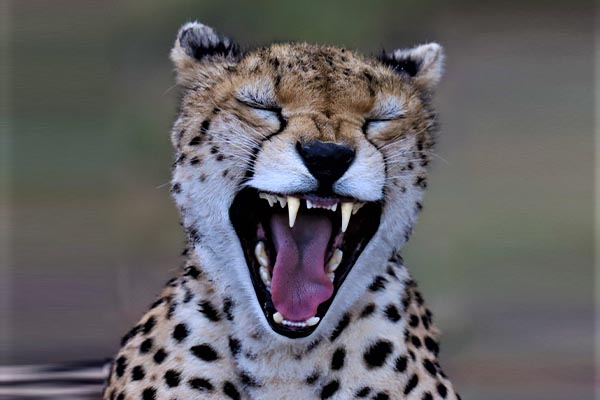
{“fallbackMarkdown”:”Serengeti National Park”,”reference”:{“alt”:”Serengeti National Park”,”category”:”point_of_interest”,”extra_params”:{“disambiguation”:”Tanzania”},”name”:”Serengeti National Park”,”prompt_text”:”Serengeti National Park”,”status”:”done”,”type”:”entity”},”referenceKey”:”0″,”showLoginRequiredCard”:false} is one of Africa’s most celebrated safari destinations. Its endless plains provide an ideal environment for large populations of lions, cheetahs, elephants, giraffes, zebras, and wildebeest. The park is particularly famous for the Great Migration, during which millions of wildebeest, zebras, and other grazing animals travel across the Serengeti and neighboring Kenya in search of fresh grass and water. This spectacular natural event attracts visitors and wildlife enthusiasts from around the world.
Another exceptional destination is {“fallbackMarkdown”:”Kruger National Park”,”reference”:{“alt”:”Kruger National Park”,”category”:”point_of_interest”,”extra_params”:{“disambiguation”:”South Africa”},”name”:”Kruger National Park”,”prompt_text”:”Kruger National Park”,”status”:”done”,”type”:”entity”},”referenceKey”:”1″,”showLoginRequiredCard”:false}. Covering a vast area, the park supports an extraordinary variety of wildlife and offers both guided and self-drive safari experiences. Visitors may encounter elephants, hippos, crocodiles, giraffes, wild dogs, and numerous bird species. Its well-developed tourism infrastructure also makes it an accessible choice for first-time safari travelers.
A safari is not only about observing animals. It is also an opportunity to appreciate Africa’s diverse ecosystems and understand the importance of conservation. Many national parks and private reserves work closely with local communities to protect wildlife and preserve natural habitats. Responsible tourism can contribute to these efforts by generating employment, supporting conservation programs, and encouraging the sustainable management of natural resources.
For travelers, preparation is an important part of the safari experience. Comfortable, lightweight clothing, sturdy footwear, sunscreen, insect repellent, binoculars, and a good camera are useful additions to any safari packing list. Early-morning and evening game drives are often particularly rewarding because many animals are most active during cooler periods of the day.
The experience of being in the African wilderness can also inspire a deeper connection with nature. Away from busy cities and modern distractions, visitors can listen to the sounds of birds, watch the changing colors of the sunset, and observe animals behaving naturally in their environment. Every day brings the possibility of a new and unexpected encounter.
Ultimately, an African wildlife safari combines adventure, education, nature, and cultural discovery. It offers travelers a rare opportunity to witness some of the world’s most remarkable wildlife while experiencing landscapes of extraordinary beauty. Whether exploring the Serengeti, the savannahs of Kenya, or the wilderness of South Africa, a safari can become far more than a vacation—it can be a powerful reminder of the importance of protecting our planet’s wildlife for generations to come.
