

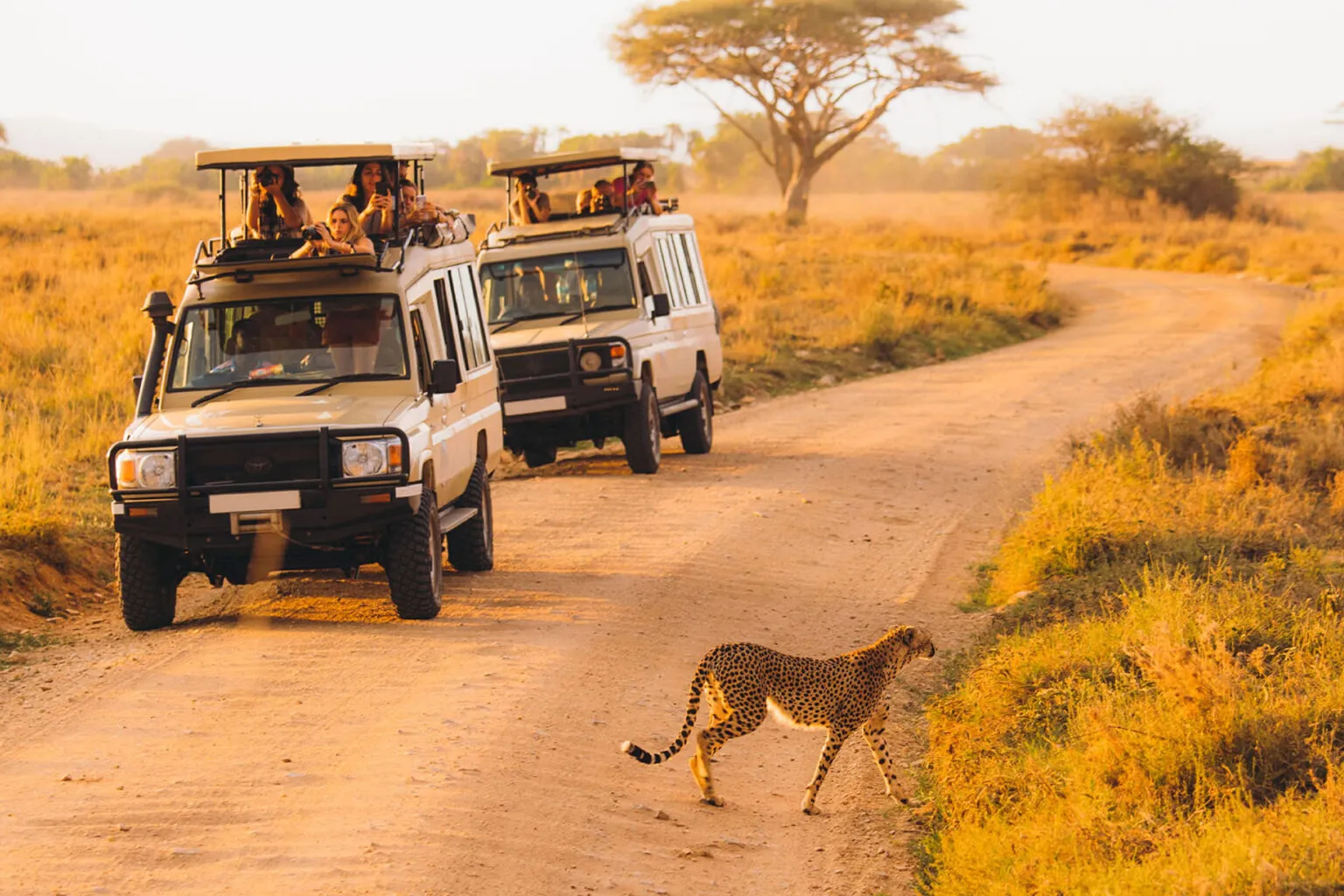
Introduction
For many travelers, an African safari is a lifelong dream, and one experience sits at the very top of the bucket list—seeing the legendary Big Five in their natural habitat. Originally named by early hunters because they were considered the most difficult animals to hunt on foot, the Big Five today represent something entirely different. They symbolize Africa’s extraordinary wildlife and are among the most sought-after sightings for nature lovers, photographers, and adventure travelers.
Tanzania is widely recognized as one of the best countries in Africa to see these incredible animals. With vast protected landscapes, world-famous national parks, and an abundance of wildlife, a Big Five safari Tanzania offers unforgettable encounters with lions, elephants, leopards, buffaloes, and the endangered black rhinoceros. Unlike many destinations where wildlife is limited to small reserves, Tanzania’s animals roam freely across millions of hectares of protected wilderness, creating authentic safari experiences that are difficult to match anywhere else in the world.
Whether you dream of watching a pride of lions resting beneath an acacia tree in the Serengeti, photographing elephants walking through Tarangire National Park, or spotting a rare black rhino inside the Ngorongoro Crater, Tanzania delivers remarkable wildlife experiences throughout the year.
In this guide, you’ll discover where to see each member of the Big Five, the best national parks to visit, the ideal time for wildlife viewing, and why choosing experienced local guides makes your Tanzania wildlife safari even more rewarding.
What Are the Big Five?
The term Big Five refers to five of Africa’s most iconic mammals:
-
African Lion
-
African Elephant
-
African Leopard
-
African Buffalo
-
Black Rhinoceros
Although the phrase originally described the most challenging animals to hunt, today it represents the ultimate wildlife viewing experience for safari travelers. Spotting all five species during one trip has become a major goal for visitors exploring East Africa.
Each animal has its own unique behavior, preferred habitat, and role within the ecosystem. Seeing them in the wild is not only exciting but also provides a deeper appreciation for Africa’s incredible biodiversity and ongoing conservation efforts.
While many African countries offer opportunities to see the Big Five, Tanzania remains one of the few destinations where travelers have an excellent chance of encountering all five during a well-planned safari itinerary.
Why Tanzania Is the Best Destination for a Big Five Safari
When choosing an African safari destination, travelers often compare Kenya, South Africa, Botswana, Namibia, and Tanzania. While each country offers remarkable wildlife, Tanzania consistently stands out for its combination of biodiversity, vast landscapes, and authentic safari experiences.
More than one-third of Tanzania’s land is protected through national parks, conservation areas, and game reserves. This extensive conservation network allows wildlife to move naturally across enormous ecosystems without the restrictions found in many fenced reserves.
The country’s famous Northern Safari Circuit—including Serengeti National Park, Ngorongoro Conservation Area, Tarangire National Park, and Lake Manyara National Park—offers one of the highest concentrations of wildlife anywhere in Africa.
Unlike destinations where visitors spend long hours searching for animals, a well-planned Tanzania wildlife safari often rewards travelers with multiple unforgettable sightings in a single day. It’s common to see elephants, giraffes, zebras, wildebeests, buffaloes, hippos, hyenas, and several predator species during one game drive.
Another advantage is the incredible variety of landscapes. During your safari, you’ll explore endless grasslands, volcanic craters, acacia woodlands, river valleys, wetlands, and ancient baobab forests. Each environment supports different wildlife species, making every game drive feel unique.
Combined with experienced local guides, excellent safari infrastructure, and year-round wildlife viewing, Tanzania continues to be one of the world’s greatest safari destinations.
Best National Parks for a Big Five Safari Tanzania
One of the reasons Tanzania attracts wildlife enthusiasts from around the world is the diversity of its national parks. Each destination offers something different, and together they provide some of the finest wildlife viewing opportunities on the African continent.
Serengeti National Park
A Serengeti safari is often considered the ultimate African wildlife experience. Covering nearly 15,000 square kilometers, the Serengeti is famous for its endless plains, extraordinary predator population, and the spectacular Great Wildebeest Migration.
The park supports one of the largest lion populations in Africa, making it one of the best places to observe prides resting beneath acacia trees, hunting across open grasslands, or caring for playful cubs. Leopards are frequently seen lounging in sausage trees, while elephants, buffaloes, giraffes, cheetahs, hyenas, and countless antelope species roam freely throughout the ecosystem.
For photographers and wildlife enthusiasts, a Serengeti safari offers endless opportunities to capture dramatic wildlife interactions against breathtaking landscapes. Whether you’re witnessing thousands of wildebeest crossing the plains or watching a cheetah scan the horizon for prey, every game drive offers unforgettable moments.
Ngorongoro Crater
Often described as Africa’s “Garden of Eden,” the Ngorongoro safari experience is unlike any other. Formed by the collapse of a massive volcanic caldera millions of years ago, the crater now supports an incredible concentration of wildlife within its natural walls.
One of the biggest advantages of a Ngorongoro safari is the excellent opportunity to see the endangered black rhinoceros. Unlike many other parks where rhino sightings are extremely rare, the crater remains one of Tanzania’s most reliable locations for observing these magnificent animals.
Visitors also have outstanding chances of seeing lions, buffaloes, elephants, hyenas, jackals, hippos, zebras, wildebeests, and numerous bird species, often all within a single day. Because many animals remain inside the crater year-round, wildlife viewing is consistently excellent regardless of the season.
The dramatic scenery, diverse habitats, and abundance of wildlife make Ngorongoro one of the highlights of every Big Five safari Tanzania itinerary.
Tarangire National Park
Although often overshadowed by the Serengeti, Tarangire National Park is one of Tanzania’s hidden safari treasures. The park is famous for its giant baobab trees and enormous elephant population, with hundreds of elephants gathering along the Tarangire River during the dry season.
Tarangire is also home to large herds of buffaloes, lions, leopards, giraffes, zebras, wildebeests, impalas, warthogs, and more than 500 bird species.
Its quieter atmosphere allows visitors to enjoy exceptional wildlife viewing without the larger crowds sometimes found in other parks. For travelers hoping to photograph elephants in spectacular natural settings, Tarangire is one of the finest destinations in East Africa.
Lake Manyara National Park
Lake Manyara National Park may be smaller than Tanzania’s other famous parks, but it offers remarkable biodiversity and unique safari experiences.
The park is well known for its famous tree-climbing lions, large troops of baboons, elephants, hippos, and thousands of flamingos that gather along the lake during certain seasons.
Dense groundwater forests, open grasslands, wetlands, and lakeshore habitats create a variety of ecosystems within a relatively compact area, making wildlife viewing especially rewarding.
Although black rhinos are not commonly seen here, Lake Manyara provides an excellent complement to a Serengeti safari and Ngorongoro safari, adding further diversity to your Tanzania wildlife safari.
Planning the Perfect Big Five Safari
One of the biggest advantages of visiting Tanzania is that you don’t need to choose just one national park. Many safari itineraries combine Serengeti National Park, Ngorongoro Crater, Tarangire National Park, and Lake Manyara National Park into one unforgettable journey.
This combination significantly increases your chances of spotting all members of the Big Five while allowing you to experience Tanzania’s incredible variety of landscapes, ecosystems, and wildlife.
By spending several days exploring different parks, travelers enjoy more relaxed game drives, greater photographic opportunities, and a deeper appreciation for Tanzania’s extraordinary natural heritage.
Where to See Each Member of the Big Five in Tanzania
One of the greatest advantages of choosing a Big Five safari Tanzania is that each national park offers unique opportunities to observe Africa’s most famous animals in their natural environment. Understanding where each species is commonly found and learning about their behavior can make your Tanzania wildlife safari even more rewarding.
Unlike zoos or wildlife parks, every safari in Tanzania is unpredictable. Animals move freely across vast ecosystems, making every game drive exciting and unique. With the guidance of experienced local safari guides, your chances of finding the Big Five increase significantly, as they understand animal behavior, seasonal movements, and the best locations for wildlife viewing.
Lions – The Kings of the African Savannah
For many visitors, seeing a lion in the wild is the highlight of any Serengeti safari. Tanzania is home to one of the largest lion populations in Africa, with thousands of lions living across its protected national parks.
The Serengeti National Park is widely regarded as the best place to observe lions. The endless grasslands provide ideal hunting grounds, supporting healthy populations of zebras, wildebeests, buffaloes, and antelope that serve as prey. During a typical game drive, it is common to encounter lions resting beneath acacia trees, walking confidently through the savannah, or relaxing on rocky outcrops known as kopjes.
Early morning and late afternoon are often the best times to observe lions because they are most active during the cooler hours of the day. You may witness cubs playing under the watchful eyes of the females, males defending their territory, or an entire pride preparing for an evening hunt.
The Ngorongoro safari also provides excellent opportunities to see lions. Because the crater supports a high concentration of wildlife throughout the year, lion sightings are frequent and often occur at relatively close range.
Watching these magnificent predators in their natural habitat is one of the unforgettable moments that defines every Tanzania wildlife safari.
Leopards – Tanzania’s Most Elusive Predator
Among the Big Five, the leopard is often considered the most challenging animal to spot. Their solitary nature, remarkable camouflage, and preference for resting high in trees make every sighting especially memorable.
Fortunately, Tanzania offers some of the best leopard habitats in Africa. During a Serengeti safari, experienced guides regularly locate leopards resting in sausage trees or acacia branches after successful hunts. Their spotted coats blend perfectly into the surrounding vegetation, making patience and a trained eye essential.
Leopards are generally more active during the early morning, late evening, and nighttime hours. While daytime sightings require some luck, experienced local guides understand where leopards frequently rest and how to identify subtle signs of their presence.
The Seronera region of the central Serengeti is particularly well known for consistent leopard sightings thanks to its permanent rivers, dense vegetation, and abundant prey.
Photographing a leopard calmly watching the landscape from a tree branch is considered one of the greatest achievements of any African safari.
African Elephants – Gentle Giants of Tanzania
No Big Five safari Tanzania feels complete without encountering Africa’s largest land mammal. Tanzania supports one of the continent’s healthiest elephant populations, giving visitors exceptional opportunities to observe these intelligent and highly social animals.
Tarangire National Park is often called Tanzania’s elephant paradise. During the dry season, hundreds of elephants gather around the Tarangire River to drink, bathe, and feed. Watching these enormous herds interact is one of the park’s greatest attractions.
Visitors frequently observe playful calves walking beneath their mothers, young elephants wrestling with one another, and older bulls traveling independently through the woodlands.
Elephants are also regularly seen during a Serengeti safari and inside the Ngorongoro Crater, where family groups move peacefully across open grasslands and forested areas.
Because elephants are active throughout much of the day, photographers have countless opportunities to capture dramatic images, especially during sunrise and sunset when warm golden light enhances every scene.
Their intelligence, close family bonds, and gentle behavior make elephants one of the most admired animals on every Tanzania wildlife safari.
African Buffalo – One of Africa’s Toughest Animals
Although buffaloes may appear calm while grazing, they are among Africa’s strongest and most resilient mammals. Large herds often consist of hundreds of individuals moving together across the savannah, creating spectacular wildlife scenes.
Buffaloes are widespread throughout Tanzania and are commonly seen in Serengeti National Park, Ngorongoro Crater, Tarangire National Park, and Lake Manyara National Park.
One of the most fascinating aspects of buffalo behavior is their strong social structure. Herd members work together to protect calves from predators, and adults have even been observed defending one another against lion attacks.
Watching hundreds of buffaloes crossing open plains with dust rising behind them creates unforgettable photographic opportunities during a Big Five safari Tanzania.
Because buffaloes frequently share grazing areas with zebras, wildebeests, giraffes, and elephants, visitors often enjoy observing multiple wildlife species together during the same game drive.
Black Rhinoceros – Tanzania’s Rarest Big Five Member
The black rhinoceros is undoubtedly the most difficult member of the Big Five to see in Tanzania. Due to decades of illegal poaching, rhino populations declined dramatically across Africa. Today, extensive conservation efforts are helping protect the remaining animals.
Fortunately, the Ngorongoro safari offers one of the best opportunities to see this endangered species in East Africa.
Protected within the Ngorongoro Crater, black rhinos roam the open grasslands under constant conservation monitoring. Although sightings are never guaranteed, visitors exploring the crater with experienced guides have some of the highest chances of encountering these magnificent animals.
Seeing a black rhino in the wild is a truly special experience and often becomes one of the most memorable moments of an entire safari.
The continued protection of these animals demonstrates Tanzania’s strong commitment to wildlife conservation and sustainable tourism.
Wildlife Photography Tips for the Big Five
Photographing the Big Five is one of the highlights of every Tanzania wildlife safari, but capturing truly memorable images requires more than simply pointing a camera at an animal.
Patience is one of the greatest tools a wildlife photographer can have. Instead of taking photographs immediately after spotting an animal, spend a few moments observing its behavior. Waiting often rewards photographers with natural interactions, powerful expressions, or dramatic movement that create far more compelling images.
Lighting also plays a major role. Early morning and late afternoon provide soft golden light that enhances colors, reduces harsh shadows, and creates beautiful wildlife portraits.
Rather than zooming in on every animal, include some of the surrounding landscape in your composition. A lion resting on a Serengeti kopje or elephants walking beneath giant baobab trees tells a richer story than a tightly cropped close-up.
Finally, always respect wildlife by maintaining a safe distance and allowing animals to behave naturally. Ethical photography not only protects wildlife but also results in more authentic and meaningful images.
Why Every Big Five Encounter Is Unique
One of the reasons a Big Five safari Tanzania is so unforgettable is that no two wildlife sightings are ever the same. Unlike visiting a zoo or wildlife park, animals in Tanzania roam freely across vast landscapes, behaving exactly as nature intended. Every game drive brings new surprises, making each safari a completely different experience.
You may spend an hour watching a pride of lions resting peacefully in the shade before suddenly witnessing them become active as they begin to stalk a nearby herd of wildebeest. On another day, you might observe a family of elephants crossing a river together, with young calves playfully splashing through the water while older females keep a watchful eye on the herd.
Even repeat visitors to Tanzania often describe every safari as a new adventure because wildlife behavior changes constantly. Weather conditions, migration patterns, the time of day, and even the season all influence where animals are found and how they interact with one another.
This unpredictability is one of the greatest attractions of a Tanzania wildlife safari. Every day offers fresh opportunities to witness remarkable wildlife moments that can never be scripted or guaranteed.
Witness the Great Wildebeest Migration Alongside the Big Five
One of the unique advantages of planning a Serengeti safari is the opportunity to combine Big Five sightings with one of the greatest wildlife spectacles on Earth—the Great Wildebeest Migration.
Each year, more than two million wildebeest, accompanied by hundreds of thousands of zebras and gazelles, travel across the Serengeti ecosystem in search of fresh grazing. Their journey attracts Africa’s top predators, including lions, leopards, cheetahs, hyenas, and crocodiles, creating extraordinary wildlife viewing opportunities.
During migration season, visitors may witness dramatic river crossings where thousands of wildebeest plunge into crocodile-filled waters or observe predators patiently waiting for the perfect hunting opportunity. These unforgettable scenes highlight the delicate balance of nature and provide photographers with once-in-a-lifetime images.
The migration also increases the chances of seeing several members of the Big Five during the same safari. As prey animals move across the plains, predators follow closely behind, making the Serengeti one of Africa’s most exciting destinations for wildlife enthusiasts.
Whether you visit during the calving season in the southern Serengeti or the famous Mara River crossings in the north, combining the Great Migration with a Big Five safari Tanzania creates an exceptional safari experience.
The Role of Expert Safari Guides in Finding the Big Five
A successful Tanzania wildlife safari depends not only on choosing the right destination but also on traveling with knowledgeable local guides. Experienced safari guides spend hundreds of days each year inside Tanzania’s national parks, developing an exceptional understanding of wildlife behavior, seasonal movements, and the unique characteristics of each ecosystem.
Rather than driving randomly through the parks, professional guides use years of experience to track animal movements, identify fresh footprints, recognize alarm calls from birds and monkeys, and interpret subtle signs that often lead to remarkable wildlife sightings.
Communication between guides also plays an important role. While exploring the parks, guides remain in contact with one another, sharing information about recent wildlife activity. This teamwork often helps visitors locate elusive animals such as leopards or black rhinos while ensuring that wildlife is viewed responsibly and without unnecessary disturbance.
Experienced guides also enrich every safari by sharing fascinating information about animal behavior, conservation, local ecosystems, and the relationships between different species. Instead of simply seeing wildlife, visitors gain a deeper understanding of how Tanzania’s natural environment functions as a complete ecosystem.
Their expertise transforms a standard game drive into an educational and unforgettable safari adventure.
Beyond the Big Five: Incredible Wildlife You Will Also See
Although the Big Five are the stars of every safari, Tanzania’s extraordinary biodiversity means that visitors encounter far more than just five iconic animals. In fact, many travelers return home talking just as enthusiastically about the incredible variety of wildlife they discovered beyond their original checklist.
During a typical safari, you are likely to see graceful giraffes browsing acacia trees, enormous pods of hippos resting in rivers, playful troops of baboons, curious warthogs wandering across the plains, elegant impalas, gazelles, waterbucks, and colorful bird species filling the skies.
Predator sightings may also include cheetahs scanning the grasslands, spotted hyenas patrolling their territories, serval cats hunting in tall grass, jackals searching for food, and occasionally even elusive African wildcats.
Bird enthusiasts are equally rewarded, with Tanzania hosting more than 1,100 recorded bird species. Flamingos, crowned cranes, secretary birds, martial eagles, hornbills, kingfishers, bee-eaters, ostriches, and lilac-breasted rollers provide endless opportunities for wildlife observation and photography.
These additional wildlife encounters make every Big Five safari Tanzania far richer than simply searching for five famous animals. The true beauty of Tanzania lies in the remarkable diversity of life that surrounds every visitor throughout the journey.
Plan Your Big Five Safari in Tanzania with Lion Track Safari Company
A Big Five Safari in Tanzania is one of Africa’s most unforgettable wildlife experiences, and Lion Track Safari Company specializes in creating expertly guided adventures that bring you face-to-face with the continent’s most iconic animals—lion, leopard, elephant, buffalo, and the endangered black rhino.
With carefully planned itineraries, you’ll explore Tanzania’s world-renowned national parks, including Serengeti National Park, Ngorongoro Crater, Tarangire National Park, and Nyerere National Park, where your chances of spotting the Big Five are among the highest in Africa. Experienced local guides use their in-depth knowledge of wildlife behavior to maximize your game-viewing opportunities while sharing fascinating insights about Tanzania’s diverse ecosystems.
Whether you’re planning your first African safari, a family adventure, a romantic honeymoon, or a luxury wildlife holiday, Lion Track Safari Company can customize a safari itinerary that fits your interests, travel schedule, and budget. You can also combine your Big Five safari with the Great Wildebeest Migration, a cultural visit to Maasai communities, Mount Kilimanjaro trekking, or a relaxing beach escape in Zanzibar.
