

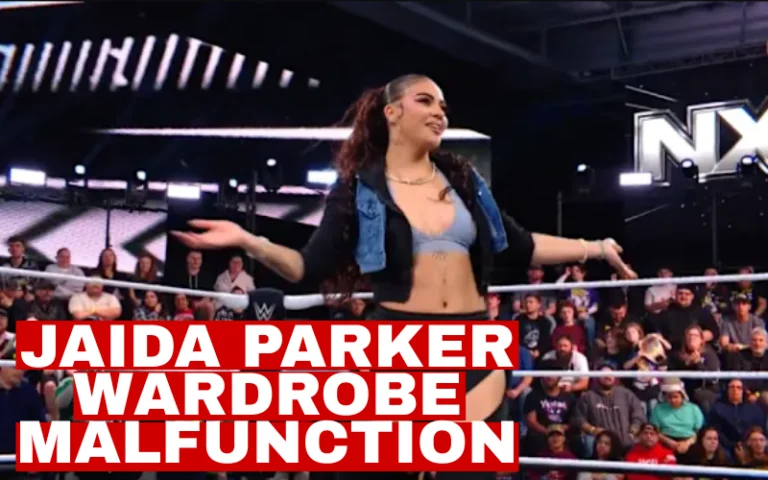
Award shows and celebrity interviews bring fashion into the public spotlight. wardrobeoops.com covers celebrity wardrobe mishaps and memorable public outfit moments. These events often involve carefully selected clothing, professional styling, and tight schedules. Even with preparation, outfits sometimes need adjustments during the appearance.
Award shows usually include several activities in one evening. Celebrities may walk the red carpet, pose for photographs, attend interviews, and sit through the ceremony. Each activity places different demands on clothing. An outfit must look good while allowing the wearer to move comfortably.
Interviews create another set of challenges. Celebrities may sit on chairs, stand beside hosts, or move between different camera positions. Clothing can behave differently in each situation. A detail that looks fine while standing may shift when someone sits down.
Fashion Preparation Before Award Shows
Award show outfits are often selected weeks before the event. Designers and stylists discuss the occasion, theme, and expected appearance. They consider the celebrity’s preferences and the overall visual direction. This planning helps create a look suited to the event.
Custom outfits may require several fitting sessions. The first fitting establishes the garment’s shape and basic measurements. Later appointments focus on adjustments and finishing details. The team checks how the clothing looks from different angles.
A final fitting should include movement. The wearer can walk, sit, turn, and raise their arms. These actions reveal whether the outfit remains comfortable. They can also identify areas that need additional support.
Why Award Show Clothing Is Complex
Award show outfits often include distinctive design features. Long gowns, structured jackets, dramatic sleeves, and decorative details are common. These elements can make a look memorable. They also require careful construction and styling.
A long gown may need a train arranged before photographs. A fitted jacket may require precise shoulder measurements. Decorative elements need secure attachment. The garment should remain stable throughout the event.
The challenge is balancing appearance with practical use. An outfit may be designed primarily for photographs. However, celebrities still need to move through crowded venues. A successful design considers both visual impact and comfort.
The Red Carpet Experience
The red carpet is usually the first major public appearance. Celebrities walk past photographers and stop at designated positions. They may pose several times before entering the venue. These movements can affect clothing placement.
A celebrity may need to adjust a sleeve or smooth fabric between photographs. Such adjustments are normal during fashion appearances. They do not automatically indicate a wardrobe malfunction. Clothing naturally moves as people walk and pose.
Long trains and fitted skirts require additional attention. The wearer may need help arranging the fabric. Assistants often remain nearby for this reason. Their support helps maintain the outfit’s intended appearance.
Wardrobe Issues During Interviews
Interviews often involve sitting for several minutes. A dress or jacket may fit differently in a seated position. Fabric can gather around the waist or shift near the shoulders. These changes are usually related to movement and garment construction.
Interview chairs also vary in height and shape. A low seat may affect the way a long outfit falls. A narrow chair may make certain poses uncomfortable. These conditions are worth considering during styling preparation.
The camera angle can influence how clothing appears. A close shot may highlight small details. A wide shot may show the complete outfit. Viewers should remember that a camera captures only one perspective.
Sitting and Standing Comfortably
Celebrities often move between standing and seated positions. Clothing needs to support these transitions without unnecessary restriction. A tight garment may become uncomfortable after sitting. A loose piece may shift when the wearer stands again.
Stylists can test these movements during fittings. The wearer should sit naturally and then stand without assistance. This helps identify issues with fabric tension. It also provides a clearer idea of how the outfit behaves.
Comfort matters during long award ceremonies. Celebrities may remain seated for extended periods. They may also need to stand quickly for announcements. Clothing should allow these actions without creating avoidable difficulty.
The Importance of Proper Fastenings
Fastenings help keep clothing secure during public appearances. Zippers, hooks, buttons, and snaps all serve practical purposes. Their placement depends on the garment’s design. A weak fastening can become uncomfortable or unstable.
Some outfits include concealed support structures. These may help maintain shape beneath the visible fabric. The support should be comfortable and suitable for the wearer. Proper construction can reduce unwanted movement.
Wardrobe teams often inspect fastenings before an event. They check whether closures work smoothly. They may also carry small repair supplies. These simple precautions can help manage unexpected issues.
Lighting and Camera Flash Effects
Award shows use bright lighting for photographs and broadcasts. Different materials react differently under these conditions. Satin, sequins, metallic fabric, and sheer panels can reflect light strongly. The final appearance may differ from what people see indoors.
Camera flashes can make certain details more noticeable. A fabric may appear brighter in photographs. A reflective accessory may attract attention. These effects are part of the photography environment.
Stylists may review outfit samples under different lighting. This helps them understand how the material appears on camera. The goal is not only to create an attractive look. The clothing should also photograph in a way that matches the intended design.
Weather and Venue Conditions
Some award shows take place outdoors or include outdoor arrivals. Wind can affect lightweight fabric and long skirts. Rain may also change the condition of clothing. These factors can create challenges for wardrobe teams.
Indoor venues have their own conditions. Air conditioning may make a celebrity feel cold. Warm stage lighting may create discomfort later. The outfit should work across different parts of the event.
Venue layouts also matter. Stairs, narrow entrances, and crowded walkways can affect movement. A long garment may need extra assistance. Practical preparation helps reduce these difficulties.
Quick Changes During Ceremonies
Some award show appearances require a change of outfit. A celebrity may wear one look for the red carpet. Another outfit may be used for a performance or presentation. Quick changes require careful coordination.
Wardrobe assistants prepare the next outfit in advance. They organize clothing and accessories in the correct order. Fastenings should be easy to access. The team may rehearse the change before the event.
A rushed change can create small problems. A closure may be missed or an accessory misplaced. The performer may need a quick adjustment before returning. Rehearsal and clear communication help reduce mistakes.
How Stylists Handle Unexpected Moments
Stylists and assistants usually remain available during award shows. They can help with clothing adjustments between appearances. A small issue may be fixed before the next photograph. Their presence helps the celebrity continue comfortably.
The response depends on the situation. Some problems require only a brief adjustment. Others may need a more careful repair. The team should prioritize comfort and safety rather than appearance alone.
A wardrobe issue does not necessarily mean the preparation failed. Public events involve movement and changing conditions. Even a well-fitted outfit can shift unexpectedly. The important part is handling the situation professionally.
The Media’s Role in Fashion Coverage
Award show fashion receives extensive media attention. Websites publish outfit galleries and style reviews. Television programs discuss designers and trends. A wardrobe incident may become part of that coverage.
Headlines sometimes exaggerate minor clothing adjustments. This can make an ordinary moment seem more serious. Readers should look at the actual report. Accurate descriptions are more useful than dramatic wording.
Fashion coverage should focus on the outfit and event. It can explain the design, fabric, and styling choices. It should avoid unnecessary personal comments. Respectful reporting makes celebrity fashion more interesting.
Social Media Reactions
Social media allows viewers to react immediately. Photographs and clips can circulate during the event. Users may discuss the designer or outfit details. Others may share opinions without checking the context.
A short clip can leave out important information. It may not show what happened before the moment. It might also miss the adjustment afterward. Full context helps prevent misleading interpretations.
Online discussions can remain useful when they focus on fashion. People can compare design choices and discuss garment construction. Personal attacks add little to the conversation. Responsible comments keep attention on the subject.
Award Show Fashion and Public Expectations
Celebrities often face strong expectations during public appearances. Their outfits are reviewed by fashion writers and audiences. A small detail can receive significant attention. This pressure can make wardrobe preparation demanding.
Fashion choices may also reflect personal style. Some celebrities prefer classic designs. Others choose bold or unconventional outfits. Both approaches can work when the clothing suits the wearer and occasion.
An unexpected wardrobe issue should not define an entire appearance. The event may include many other meaningful moments. A balanced review considers the complete outfit and presentation. One brief incident rarely tells the full story.
Respectful Coverage of Wardrobe Mishaps
Wardrobe mishaps should be discussed without humiliating the person involved. Public appearances do not remove someone’s right to dignity. An accidental clothing issue can be uncomfortable. Coverage should avoid turning it into personal ridicule.
Editors can choose images that explain the event appropriately. They do not need to publish invasive photographs. A clear description may provide enough information. This approach keeps reporting informative and considerate.
Readers can also help by sharing content responsibly. They can avoid reposting images with insulting captions. They can check whether a claim is accurate. These choices make online fashion discussion healthier.
Lessons for Celebrity Fashion Teams
Award show wardrobe incidents offer useful lessons. They show how clothing behaves during different activities. Fittings should include walking, sitting, and posing. These tests can reveal issues before the event.
Teams can also prepare backup accessories and repair supplies. They should check fastenings and garment condition. The final outfit needs to work with the chosen footwear. A complete check is more effective than reviewing separate pieces.
Communication between designers and stylists remains important. Both teams should understand the event schedule. They should also know when quick changes are required. Good coordination helps the outfit perform as intended.
Conclusion
Award shows and interviews place celebrity clothing in demanding public conditions. Outfits need to look attractive while supporting movement and comfort. Fittings, fastenings, lighting, and venue conditions all matter. Careful preparation can reduce problems, although unexpected moments may still occur.
Celebrity wardrobe mishaps can offer insight into fashion design and styling. They should be covered with accuracy and respect. A single photograph or short clip rarely explains the entire situation. Balanced reporting helps readers understand what happened without unnecessary speculation.
For more celebrity wardrobe mishap coverage and award show fashion details, visit our website and explore related articles. Discover the preparation behind public outfits and the fashion moments that attract attention.
Read also :-
