

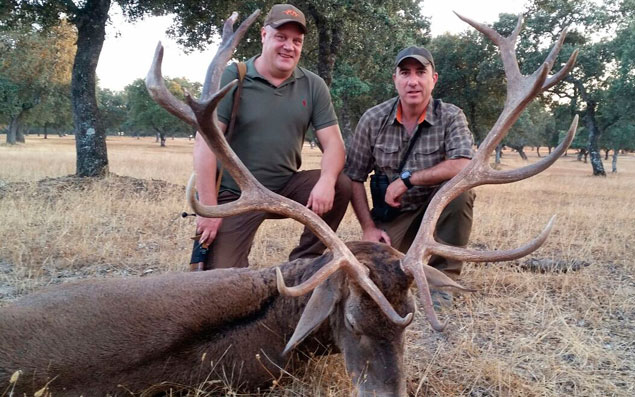
When it comes to Hunting in Spain, the country stands as one of Europe’s most significant hunting destinations, backed by a remarkable variety of species, climates, and terrains. With almost 1 million licenses and over 200,000 jobs linked to the sector, the scale of Spanish hunting is truly impressive. But what makes Big Game Hunting in Spain so special, and should you book that trip?
Why Spain is a Big Game Paradise
Spain offers an incredible diversity of big-game species. From the majestic Spanish red deer and the elusive Iberian ibex with its four distinct subspecies, to the robust mouflon and the unique Balearic bok goat, the options are extensive. The country boasts over 32,000 hunting grounds, both public and private, with almost 85% of Spain officially declared as huntable land.
The economic impact is staggering. Hunting generates over 5.5 billion euros annually, contributing 0.3% to Spain’s GDP and supporting nearly 200,000 full-time jobs. Beyond the numbers, hunting is a lifeline for rural communities, providing income in regions like Extremadura, Andalusia, and Castilla-La Mancha that often lack other economic alternatives.
Understanding Spanish Hunting Styles
The two most common modalities of big-game hunting are the monteria (driven hunt) and the rececho (stalking).
The monteria is a 300-year-old tradition unique to Spain. In this style, hunters position themselves in pegs while rehalas (packs of hounds) stir the game through forests, forcing animals into shooting positions. It’s a highly social event, often involving large groups and traditional meals.
For those seeking a more selective approach, stalking offers an intimate, physical challenge. It involves pursuing a pre-selected animal, requiring patience, skill, and expert local knowledge. It’s the most demanding method but offers the greatest reward.
The Species That Attract Hunters Worldwide
Spain’s unique geography provides ideal terrain for a wide variety of species:
– Iberian Red Deer: The majestic red stag offers spectacular hunting, especially during the rutting season in autumn (berrea).
– Spanish Ibex: With four subspecies (Gredos, Beceite, Ronda, Southeastern), it is one of Europe’s most exclusive trophies, recognized for its impressive backward-curving horns.
– Fallow Deer: Graceful and elusive, fallow deer present a rewarding challenge with their distinctive palmate antlers.
– Mouflon: Wild and rugged, the mouflon offers a thrilling mountain or dehesa hunt with its spiral-curved horns.
– Roe Deer: Known as “the forest spirit,” roe deer are prized for their shy and elusive nature.
The Sustainability Factor
Modern big-game hunting in Spain is not just a sport but a crucial management tool. Recent statements from Spain’s Ministry of Agriculture highlight the essential role hunters play in controlling wildlife populations and preventing diseases. For example, hunting management proved critical in containing a 2025 outbreak of African Swine Fever in Catalonia, with hunters culling approximately 400 animals per week to control the spread. The sector also plays a key role in managing wild rabbit and wild boar populations, which cause significant agricultural damage and road accidents.
Practical Considerations for Your Hunt
Access and Logistics: Spain is well-connected. Madrid-Barajas, Barcelona-El Prat, and Malaga airports are ideal entry points, with hunting areas typically within 1-3 hours by road.
Gear: A rifle in calibers like .270 Win or .300 Win Mag is recommended. Quality optics are essential, and many outfitters offer rental options for both firearms and equipment.
Accommodation: Many hunting estates offer premium rural accommodation with traditional cuisine, making your trip a complete cultural experience.
Is It Worth It?
For the dedicated hunter, Spain is undoubtedly worth it. The combination of diverse species, ancient traditions, stunning landscapes, and professional outfitters makes it a top-tier destination. Whether you’re a seasoned hunter or planning your first European adventure, Spain offers authentic experiences you won’t find elsewhere.
