

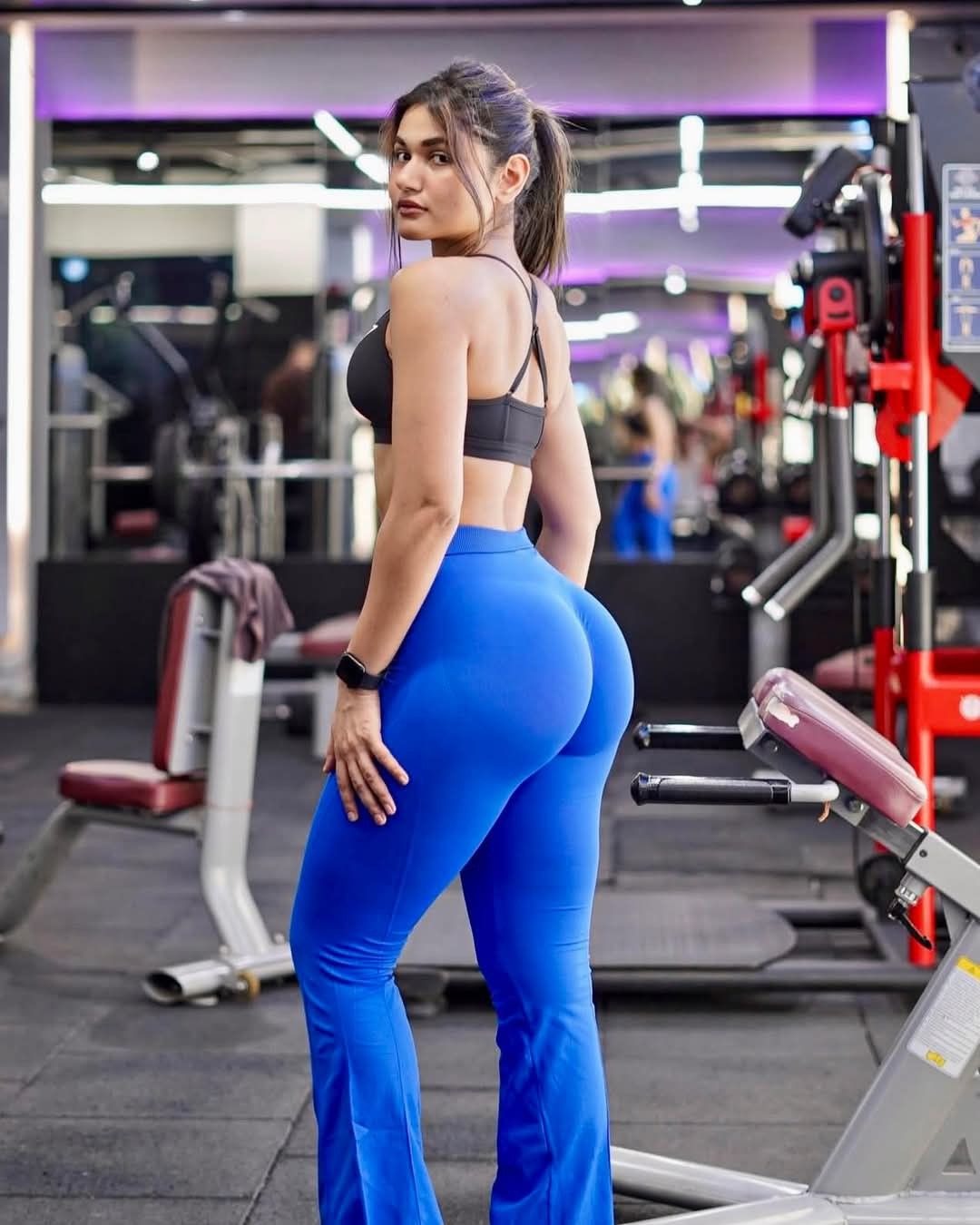
Comfort during exercise can influence how consistently someone continues training. For practical fitness guidance, dailyscope.it.com offers useful ideas that can support better everyday exercise habits. Training should challenge the body without making every session feel unnecessarily difficult. Small adjustments involving clothing, exercise space, timing, hydration, and movement can improve the experience. Feeling comfortable does not mean avoiding effort or physical challenge completely. It means creating conditions where useful training becomes easier to repeat. A routine that feels manageable can often last longer than one built around constant discomfort.
Choose Comfortable Exercise Clothing
Clothing can affect how freely your body moves during exercise. Tight or poorly fitting clothes may restrict certain movements or create unnecessary irritation. Choose materials that allow reasonable movement without constantly needing adjustment. Comfortable footwear is also important when activities involve walking, running, or repeated standing. Different exercises may require different types of support from clothing and shoes. Avoid choosing equipment only because it looks appealing or popular. Your personal comfort should remain an important consideration during training. Simple choices can make exercise feel noticeably easier from the beginning.
Prepare Your Exercise Space
A suitable exercise space can make movement safer and more comfortable. Remove objects that could interfere with walking, stretching, or floor exercises. Make sure the surface provides enough stability for the activities you plan. Keep frequently used equipment within reasonable reach before beginning. Good lighting can also help you see your surroundings clearly during movement. You do not need a large room to complete many basic exercises. Even a small organized area can work when unnecessary obstacles are removed. Preparation reduces interruptions and allows you to concentrate more effectively.
Pick A Suitable Training Time
Your energy levels can vary depending on the time of day. Some people feel stronger during mornings while others prefer afternoon sessions. There is no universal training time that works perfectly for everyone. Choose a period when you can exercise without constantly rushing afterward. Training immediately after an exhausting work period may feel difficult for some people. Others may find that exercise helps them feel more active after work. Experiment with different times and notice how your body responds. The best schedule is usually one that fits your normal responsibilities.
Warm Up Before Harder Exercise
A gradual warm-up can help prepare the body before more demanding movement. Start with easy movements that increase activity without creating significant fatigue. Walking slowly, moving your arms, or performing controlled bodyweight exercises can work. The exact warm-up can depend on what your workout involves afterward. Avoid turning the warm-up into a second full workout. Its purpose is preparing your body and mind for the upcoming activity. Pay attention to areas that feel particularly stiff or restricted. Gradual preparation can make the first part of training feel smoother.
Keep Water Easily Available
Hydration can become easier when water is available before and during exercise. Keep a bottle nearby rather than waiting until you become extremely thirsty. The amount needed can vary depending on activity, weather, body size, and duration. Longer or more demanding sessions may require greater attention to fluid intake. Avoid treating hydration as something that only matters during workouts. Regular fluid intake throughout the day also supports normal body functions. If you exercise outdoors during hot conditions, plan accordingly. Comfortable training becomes harder when you ignore basic hydration needs.
Adjust Exercise Intensity
Not every workout needs to feel equally difficult. Some sessions can involve harder effort while others remain relatively moderate. Adjusting intensity can help you train consistently without constantly feeling exhausted. Beginners should especially avoid increasing difficulty too quickly. If an exercise becomes difficult to control, reduce the resistance or number of repetitions. Proper technique usually becomes harder when fatigue becomes excessive. Listen to changes in breathing, energy, and overall movement quality. Smart adjustments can keep training challenging while making it more manageable.
Take Useful Rest Periods
Rest between exercises gives your body time to recover from immediate effort. The amount of rest needed depends on the type and intensity of training. Strength exercises may require more recovery between demanding sets. Lighter activities may allow shorter breaks without affecting performance significantly. Do not feel pressured to eliminate rest simply to finish faster. Quality training often depends on being able to perform movements properly. Use breaks to breathe, drink water, and prepare for the next exercise. Rest is part of training rather than evidence that you are doing poorly.
Keep Equipment Easy To Use
Exercise equipment should make training simpler rather than creating constant frustration. Check that weights, resistance bands, mats, or machines are suitable for your current ability. Store frequently used items where they remain easy to access. Inspect equipment occasionally for visible damage or unusual wear. Replace damaged items when they can no longer be used safely. Beginners should learn basic equipment handling before increasing resistance significantly. You do not need a large collection of equipment for effective exercise. A few useful tools can be enough for many training goals.
Choose Exercises You Actually Like
Enjoyment can make a major difference in long-term exercise consistency. You may prefer walking, cycling, dancing, swimming, strength training, or group activities. There is no requirement to follow one specific exercise style. Try different activities until you discover options that feel reasonably enjoyable. Enjoyment does not mean every session will feel easy. It simply makes the overall routine more appealing to continue. When exercise fits your preferences, motivation may become less dependent on willpower. That can make maintaining regular activity much more realistic.
Notice Warning Signs Early
Comfortable exercise still requires attention to unusual physical signals. Normal effort can include increased breathing, muscle fatigue, and temporary tiredness. Sharp pain, sudden weakness, dizziness, or unusual symptoms should not simply be ignored. Stop the activity when something feels seriously wrong or unexpectedly different. Continuing through significant warning signs can create unnecessary problems. If concerning symptoms persist, consider seeking appropriate medical guidance. Fitness should improve your physical capacity without encouraging careless decisions. Being cautious does not mean being afraid of exercise.
Conclusion
Comfortable training depends on more than simply choosing good exercises. Clothing, equipment, exercise timing, hydration, warm-ups, rest, and intensity all matter. Small improvements in these areas can make regular exercise easier to maintain. Choose routines that challenge you while remaining suitable for your current ability. Avoid comparing your training experience directly with someone else’s routine. For more practical fitness information, dailyscope.it.com can provide additional ideas for everyday exercise habits. Keep adjusting your routine as your experience and fitness level develop. Sustainable training usually comes from finding a balance between effort and practicality.
Read also :-
