

Rwanda may be one of Africa’s smaller countries, but it offers an extraordinary range of landscapes, wildlife experiences, and cultural attractions. From the misty mountains of Volcanoes National Park to the open savannahs of Akagera National Park, travelers can experience very different sides of the country on one journey. For visitors who want greater freedom and flexibility, renting a safari car in Rwanda can be an excellent way to explore.
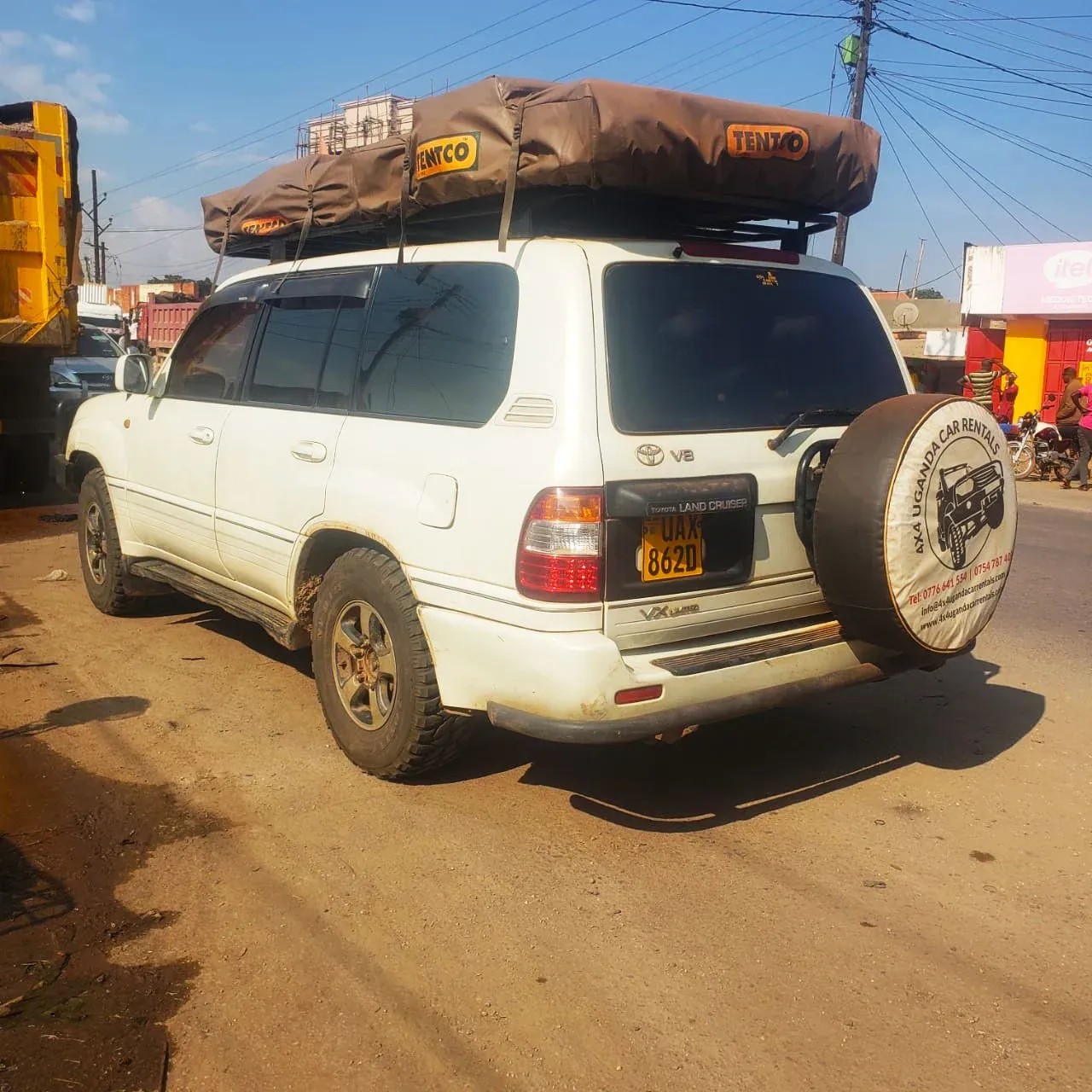
A self-drive safari allows travelers to create their own schedule, stop whenever they want, and experience Rwanda beyond traditional guided tours. However, choosing the right vehicle and understanding local driving conditions are essential for a safe and enjoyable adventure.
This ultimate guide explains everything you need to know about renting a safari car in Rwanda, including vehicle choices, rental requirements, driving conditions, costs, insurance, camping options, and practical tips for planning your trip.
Why Rent a Safari Car in Rwanda?
One of the biggest advantages of renting a safari car in Rwanda is flexibility. Organized safari tours normally follow a fixed itinerary, while a rental vehicle gives you greater control over your journey.
You can decide when to leave your accommodation, where to stop, and how long to spend at different attractions. This freedom is particularly valuable for photographers and wildlife enthusiasts who may want to spend extra time observing animals.
Rwanda is also relatively compact compared with many other East African destinations. Major attractions can be combined into a practical road-trip itinerary, making a rental vehicle useful for travelers who want to explore multiple regions.
A The Ultimate Guide to Renting a Safari Car in Rwanda: Expert Guide can also make remote destinations more accessible. Roads around national parks and rural areas may include dirt tracks, muddy sections, steep slopes, and uneven surfaces. A properly equipped 4×4 provides better capability and comfort in these conditions.
Choosing the Right Safari Car
Selecting the right vehicle is one of the most important decisions when renting a safari car in Rwanda. Your choice should depend on your itinerary, group size, driving experience, and whether you plan to camp.
For travelers staying in hotels and lodges, a standard 4×4 SUV may be sufficient. These vehicles provide good ground clearance, comfortable seating, and enough luggage space for a typical road trip.
For travelers planning a camping safari, a 4×4 equipped with a rooftop tent can be particularly convenient. The vehicle combines transportation and accommodation, allowing travelers to stay at designated campsites while enjoying the flexibility of a road-based adventure.
Popular rental options in East Africa often include Toyota Land Cruiser models and other reliable 4×4 vehicles. A vehicle with strong suspension, adequate ground clearance, and good tires is particularly important when driving on rough roads.
Before confirming your rental, ask the company about the vehicle’s age, maintenance history, spare tires, recovery equipment, and included camping gear.
Self-Drive or Driver-Guided Safari?
When renting a safari car in Rwanda, you will generally have the option of driving yourself or hiring a vehicle with a professional driver.
Self-drive is attractive to experienced travelers who enjoy independence. It allows you to control your itinerary and explore at your own pace. However, you should be comfortable driving on unfamiliar roads and dealing with changing weather and road conditions.
A driver-guided safari offers a different experience. Local drivers understand the roads, park conditions, and practical aspects of traveling around Rwanda. They can also reduce the stress associated with navigation and long-distance driving.
For first-time visitors who are unfamiliar with African road conditions, hiring a driver can provide additional convenience. Travelers who prioritize independence and already have suitable driving experience may prefer self-drive.
What Documents Do You Need?
Rental requirements can vary between companies, so always confirm the exact documentation before traveling.
International visitors will generally need a valid passport, a valid driving license, and a payment card or other accepted payment method. Depending on your country of origin and the rental company’s requirements, an International Driving Permit may also be useful or required.
You should provide your driving documents well before the rental date so the company has enough time to confirm eligibility.
The rental agreement should clearly explain the permitted driving areas, insurance coverage, mileage limits, fuel policy, deposit requirements, and procedures for accidents or breakdowns.
Understanding Insurance
Insurance is an important part of any safari car rental. Before collecting the vehicle, make sure you understand exactly what is covered.
Basic rental insurance may provide protection against certain types of damage, but exclusions can apply. For example, damage caused by negligent driving, unauthorized off-road use, or certain types of vehicle recovery may not be covered.
Ask the rental company whether the following are included:
-
Third-party liability
-
Collision damage protection
-
Theft protection
-
Windshield and tire coverage
-
Recovery and breakdown assistance
-
Damage caused on gravel or rough roads
-
Cross-border travel coverage, if applicable
Do not assume that your travel insurance automatically covers rental vehicles. Read the policy carefully and clarify any limitations before your trip.
Driving Conditions in Rwanda
Rwanda is known for its scenic roads, but driving conditions can change significantly depending on the region and season.
Main roads between major towns are generally easier to navigate, while roads near national parks and rural communities can be considerably rougher. You may encounter gravel, potholes, muddy sections, steep roads, and narrow tracks.
Weather can also affect driving conditions. During rainy periods, unpaved roads may become slippery and challenging, making a capable 4×4 especially valuable.
Drive at a comfortable speed and avoid rushing. Allow additional time for journeys, particularly when your route includes rural roads or mountainous areas.
It is also important to remain aware of pedestrians, cyclists, motorcycles, livestock, and other road users.
Renting a 4×4 for Akagera National Park
Akagera National Park is one of Rwanda’s most important safari destinations and is particularly suitable for travelers interested in traditional African wildlife.
The park’s landscapes include savannah, woodland, wetlands, lakes, and open plains. Visitors may encounter elephants, buffaloes, antelopes, giraffes, zebras, hippos, crocodiles, and numerous bird species.
A 4×4 safari vehicle provides a practical way to explore the park’s extensive road network. If you are planning a self-drive safari, check the latest park rules, road conditions, entry requirements, and driving regulations before entering.
Early morning drives are often popular because wildlife activity can be rewarding during the cooler parts of the day.
What About Volcanoes National Park?
Volcanoes National Park is famous for its mountain gorillas and dramatic volcanic scenery. It is located in the northwest of Rwanda and offers a very different environment from Akagera.
A safari rental vehicle can help you reach the region and explore surrounding attractions. However, travelers should understand that renting a vehicle does not replace the requirements for regulated activities such as gorilla trekking.
Gorilla trekking involves specific permits, procedures, and park arrangements. Travelers should make advance preparations and follow instructions from the relevant authorities and guides.
The mountainous environment also means that road conditions can differ from those found in Rwanda’s flatter regions.
Rooftop Tent Safari in Rwanda
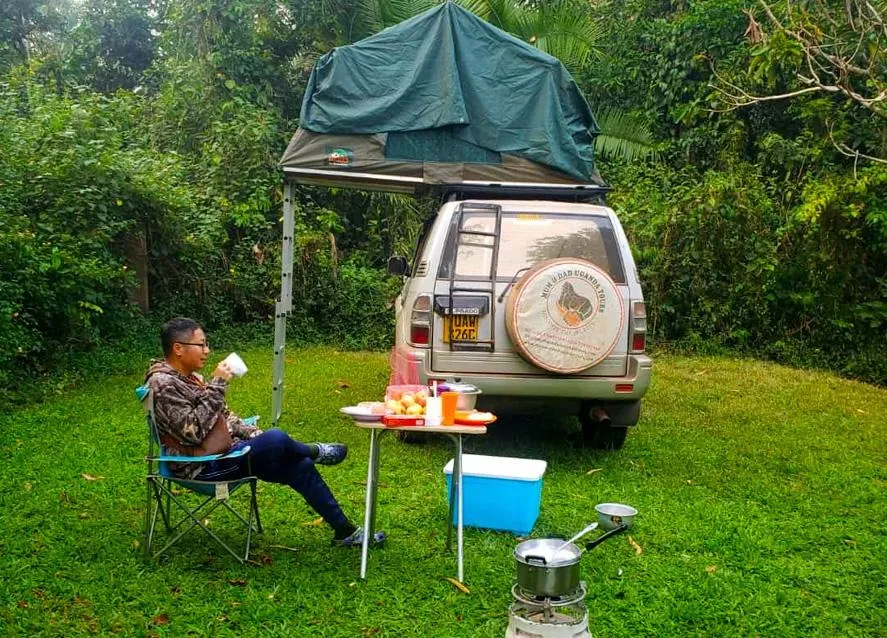
For adventurous travelers, renting a 4×4 with a rooftop tent can turn a road trip into a complete camping adventure.
Rooftop tents are elevated above the ground and can usually be set up relatively quickly. They provide a practical sleeping arrangement for travelers staying at designated campsites.
A rooftop tent rental may include a mattress, bedding, cooking equipment, chairs, tables, and other camping essentials. However, equipment varies significantly between rental companies.
Before booking, request a complete equipment list. Check whether kitchen utensils, gas equipment, bedding, camping chairs, tables, and other necessities are included in the quoted price.
How Much Does a Safari Car Rental Cost?
The cost of renting a safari car in Rwanda depends on several factors. These can include the type of vehicle, rental duration, season, insurance, camping equipment, driver services, and additional mileage.
A basic vehicle rental may cost considerably less than a fully equipped 4×4 camping package. Peak travel periods can also affect availability and prices.
Instead of comparing only the daily rental price, calculate the complete cost of your trip. Consider:
-
Vehicle rental
-
Insurance
-
Fuel
-
Park fees
-
Camping fees
-
Driver fees, if applicable
-
Additional equipment
-
Security deposit
-
Airport or delivery charges
-
Additional mileage
A slightly higher rental price can sometimes represent better value if it includes comprehensive insurance, reliable camping equipment, roadside assistance, and quality vehicle maintenance.
Inspect the Vehicle Before Departure
Before leaving the rental company’s premises, inspect the vehicle carefully.
Check the tires, windshield, lights, mirrors, brakes, bodywork, spare tires, and essential equipment. Photograph existing scratches, dents, or other damage and make sure these are documented on the rental agreement.
Ask where the vehicle’s jack, wheel spanner, recovery equipment, and spare tires are stored.
You should also test the major controls and make sure you understand the vehicle’s four-wheel-drive system if applicable.
Taking these precautions can prevent disagreements when you return the vehicle.
Fuel and Navigation
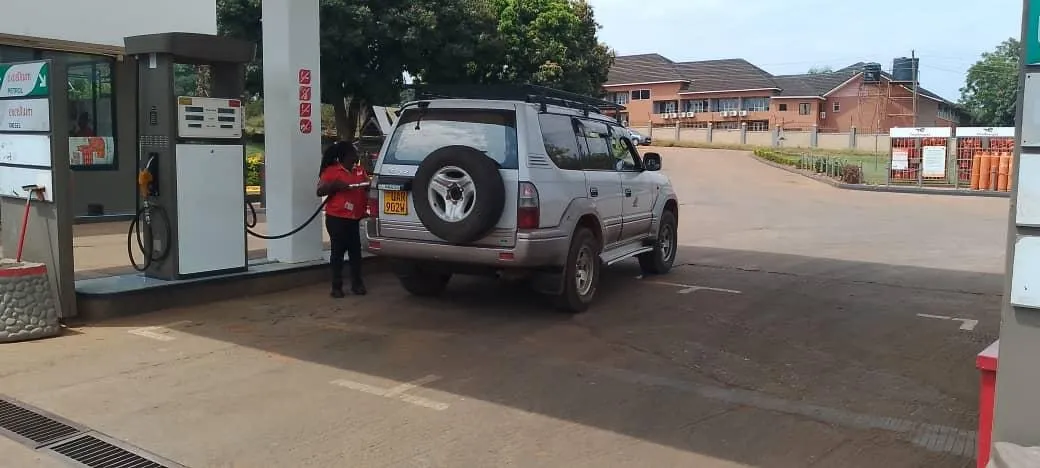
Fuel planning is an important part of a Rwanda road trip. Do not wait until the fuel tank is nearly empty before looking for a station, particularly when traveling away from major urban areas.
Carry sufficient drinking water and keep your phone charged. Offline maps can also be useful when mobile coverage becomes unreliable.
A GPS navigation system or reliable smartphone navigation app can help with route planning, but do not depend entirely on technology. Keep a basic understanding of your planned route and know the locations of major towns and fuel stops.
Packing for a Safari Car Rental
Packing appropriately can make your safari considerably more comfortable.
Essential items may include lightweight clothing, comfortable shoes, sunscreen, insect repellent, a reusable water bottle, sunglasses, a flashlight, personal medication, power banks, and suitable outdoor clothing.
If you are camping, consider additional layers because temperatures can change considerably between daytime and nighttime.
Binoculars and a camera are also valuable additions for wildlife viewing.
Avoid overpacking. Excess luggage can reduce comfort and occupy valuable space inside the vehicle.
Best Tips for Renting a Safari Car in Rwanda
Book your vehicle early, particularly if you are traveling during a busy tourism period. Popular 4×4 models and rooftop-tent vehicles may have limited availability.
Always read the rental agreement carefully. Pay particular attention to insurance exclusions, permitted areas, mileage, deposits, fuel requirements, and breakdown procedures.
Choose reliability over appearance. A well-maintained vehicle is far more important than having the newest or most luxurious model.
Keep emergency contact numbers easily accessible and inform someone about your general travel plans when heading into remote areas.
Most importantly, respect wildlife regulations and local driving laws. Never approach animals recklessly, leave designated roads without permission, or disturb wildlife for photographs.
Final Thoughts
Renting a safari car in Rwanda offers an exciting way to experience the country’s landscapes, wildlife, rural communities, and national parks with greater independence. Whether you choose a comfortable 4×4 SUV, a vehicle with a rooftop tent, or a rental with a professional driver, careful preparation will make your journey smoother.
The key is to choose a vehicle that matches your itinerary, understand the rental company’s terms, confirm insurance coverage, prepare for changing road conditions, and plan fuel and accommodation in advance.
With the right vehicle and responsible planning, a Rwanda road trip can combine the freedom of self-drive travel with unforgettable wildlife and outdoor experiences. From the savannahs of Akagera to the volcanic landscapes of the northwest, a well-planned safari car rental can give you the flexibility to discover Rwanda at your own pace.
