

The workplace environment has undergone drastic changes in recent times. The concepts of working remotely and working in a hybrid fashion have gone from being rare practices to becoming integral aspects of professional life today. Although remote and hybrid working allow people more flexibility and exposure to new opportunities, these modes of work have also changed the way that workers develop themselves.
Professional growth can no longer happen only via face-to-face interactions at the office; now, professionals need to take control of their own development.
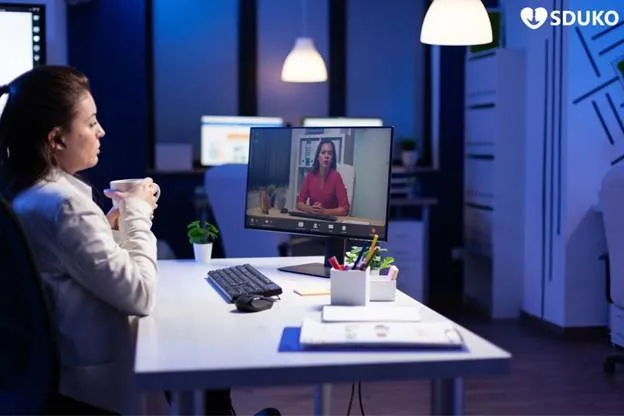
How Remote and Hybrid Work Create New Career Opportunities
Career opportunities are one of the greatest benefits that flexible work gives an employee. For professionals such as Bangalore escorts, remote flexibility can open the door to a wider range of career possibilities. The job that can be done remotely will give professionals an opportunity to look for employment with companies situated somewhere else, either in other cities or even countries.
A flexible work schedule can also provide the employee with the chance to spend more time taking online classes, certifications, attending conferences, etc. Hybrid work has its own benefits, combining flexible work with face-to-face collaboration.
The Challenges of Career Development Outside the Traditional Office
However, despite these benefits, there are some obstacles that might appear in relation to career development in case of remote and hybrid working. Workers who operate away from the office tend to be involved less in informal contacts with their bosses or senior workers. Sometimes such contacts become useful for getting mentorship, projects, or career advice.
Visibility becomes another challenge that workers operating remotely should consider. When all the communication takes place through emails, messaging apps, and virtual meetings, one needs to be more purposeful about showing his or her accomplishments. In other words, it would be wrong to assume that good work will speak for itself in case of remote employment.
Skills That Matter in a Remote or Hybrid Career
Work environments that are flexible require employees to possess skills other than just their technical skills. These skills include:
● Digital communication: Communication should be professional while using digital means of communication such as email, messaging apps, and video chats.
● Self-management: Remote workers should organize themselves regarding their priorities, time, deadlines, and distractions.
● Collaboration: Collaboration with colleagues who reside in other locations should be flexible and productive.
● Adaptability: Everything changes all the time, and it is important for Jaipur escorts to adapt to changes in technologies, procedures, and requirements in the workplace.
● Digital literacy: Utilizing the tools of project management and communication can make an individual more efficient and collaborative.
The mentioned skills can help a person to be effective and get prepared for further career opportunities.

How to Stay Visible and Keep Growing Professionally
Career development within a flexible workspace requires effort. Employees can inform managers about the status of their projects, make worthwhile contributions to virtual meetings, and share their accomplishments.
Developing a network is just as crucial. One can set up individual meetings with peers, engage in cross-departmental initiatives, take part in virtual networking activities, and become mentored by experts in the field.
Continuous learning is another important component. One can take classes, earn certification, play around with new tools, and do difficult projects to prove one’s proactiveness and gain more professional skills.
Having an updated resume, portfolio, or professional profile can help one’s career achievements stay visible both within and beyond the company.
Remote vs. Hybrid: Different Paths to Career Growth
Remote and hybrid forms of work can create different situations for career advancement. The remote form of work may allow Indore escorts more flexibility and freedom to choose geography; however, one should be more proactive in networking, communication, and visibility.
The hybrid form of work allows combining the benefits of both working methods: remote and in-office. In-office days can be planned to engage in team discussions, relationship building, mentoring, and joint projects.
Finally, neither of the two models provides automatic career advancement; it all depends on professionals’ performance in their opportunities.
Conclusion
Although remote and hybrid working have altered the nature of the traditional career ladder, they have not eliminated the possibility of career advancement. Rather, they have increased the significance of abilities like communication, adaptability, networking, and self-management. Through continuous learning, networking, communication of achievements, and assuming additional responsibility, one can create and sustain a successful career regardless of whether the individual works from an office, at home, or both.
